
The future of business is being rewritten by forces that are transforming nearly every industry. Artificial intelligence is changing how organizations make decisions. Automation is reshaping the workplace. Emerging technologies are creating new markets while challenging established business models. Meanwhile, demographic shifts, evolving customer expectations and global economic uncertainty are forcing leaders to reconsider strategies that once seemed reliable. For organizations trying to prepare for what comes next, the challenge is no longer simply keeping up with change. It is learning how to anticipate disruption, recognize opportunities before competitors do and build the capabilities needed to succeed in a world that may look dramatically different just a few years from now.
That’s where the world’s leading futurist keynote speakers provide extraordinary value. The best futurist speakers this year go far beyond predicting new technologies or describing distant possibilities. They help executives, entrepreneurs and business leaders understand the forces shaping tomorrow’s world and translate those insights into meaningful strategies for today. From artificial intelligence and exponential innovation to human-centered leadership, digital transformation and the future of work, these ten futurists offer compelling perspectives on the opportunities and challenges ahead. Whether you’re planning a corporate leadership conference, technology summit, association meeting or annual business convention, the right futurist keynote speaker can challenge assumptions, inspire fresh thinking and help your audience prepare for the future with greater confidence.
Quick Answer: Who Are the Best Futurist Speakers?
Our selections for this year’s top futurist keynote speakers include:
- Daniel Burrus — Anticipatory leadership, Hard Trends, artificial intelligence and disruptive innovation
- Mike Walsh — AI-powered organizations, algorithmic leadership and the future of business
- Peter Diamandis — Exponential technologies, moonshot innovation and the future of humanity
- Gerd Leonhard — Artificial intelligence, technology ethics and human-centered innovation
- Scott Klososky — Digital transformation, emerging technologies and business strategy
- Erica Orange — Global trends, demographic change and strategic foresight
- Jack Uldrich — Unlearning, disruptive change and future-ready leadership
- Greg Verdino — Digital disruption, adaptability and organizational transformation
- Nancy Rademaker — Artificial intelligence, customer experience and human-centered digital transformation
- Shivvy Jervis — Artificial intelligence, neuroscience and the future of human potential
Each speaker brings a different perspective on the future, helping organizations understand not only what may change but also how to prepare for it.
Why Futurist Keynote Speakers Matter More Than Ever
Business leaders have always faced uncertainty. What makes today’s environment particularly challenging is the speed at which technological, economic and social developments can influence one another. A breakthrough in artificial intelligence can quickly affect workforce planning, customer service, cybersecurity and competitive strategy. Changes in consumer behavior can create opportunities for entirely new business models. Advances in robotics, biotechnology and digital infrastructure can transform industries that previously appeared resistant to disruption. Yet not every emerging technology will achieve widespread adoption, and not every widely discussed trend will produce lasting change. The value of a skilled futurist lies in the ability to separate meaningful developments from speculation, examine their potential consequences and help organizations make better decisions. Some futurists specialize in identifying predictable trends. Others study the convergence of emerging technologies, the changing nature of work or the relationship between innovation and human behavior. The most effective futurist keynote speakers also understand that audiences need more than an entertaining glimpse of tomorrow. They need a framework for responding to change, evaluating opportunities and developing strategies that remain relevant as conditions evolve. For corporate meeting planners, this makes futurist speakers especially valuable at leadership summits, strategic planning conferences, industry association meetings and events focused on innovation, transformation and organizational growth.
Meet the Best Futurist Keynote Speakers
Daniel Burrus — Anticipatory Leadership, Hard Trends and AI Strategy
- Founder and CEO of Burrus Research, a research and consulting firm focused on technology-driven trends
- Creator of the Hard Trend Methodology and the Anticipatory Organization Business Model
- Bestselling author of Flash Foresight, Technotrends and The Anticipatory Organization
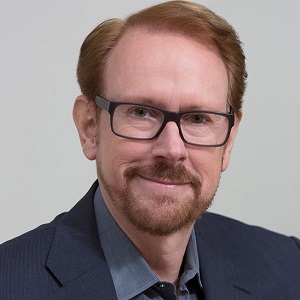
What if the future isn’t nearly as unpredictable as most business leaders believe? Daniel Burrus has built his career around a powerful idea: while many developments remain uncertain, others can be anticipated with considerable confidence by examining established facts and measurable trends. A globally recognized technology futurist, business strategist and innovation expert, Burrus helps organizations identify opportunities and disruptions before they become unavoidable. His signature Hard Trend Methodology distinguishes between developments based on measurable, predictable facts and Soft Trends, which are possibilities influenced by assumptions and choices. This distinction gives executives a practical framework for understanding which changes deserve immediate strategic attention. Rather than encouraging leaders to simply react faster, Burrus challenges them to become anticipatory. His approach emphasizes identifying emerging opportunities, addressing predictable problems early and using technological change to create competitive advantage. As the founder and CEO of Burrus Research, he has advised major corporations and organizations on emerging technologies, strategic planning and innovation. His books, including Flash Foresight and The Anticipatory Organization, explain how businesses can apply anticipatory thinking to everyday decisions. Burrus has also expanded his work to address the opportunities and risks associated with artificial intelligence. His Human-First AI approach examines how organizations can use automation to improve performance while strengthening human judgment, creativity and customer trust. His current keynote presentations explore how leaders can identify Hard Trends, rethink work before AI transforms it and develop strategies that capitalize on predictable change. For organizations overwhelmed by uncertainty, Burrus offers something especially valuable: a disciplined way to recognize what is coming and act before competitors do.
Best for: Executive leadership conferences, corporate strategic planning meetings, technology summits, innovation events and organizations seeking practical approaches to AI and disruption.
With his distinctive combination of technology forecasting, strategic insight and actionable business frameworks, Daniel Burrus helps leaders move beyond reacting to change and begin shaping their organizations’ futures with greater confidence.
Mike Walsh — AI-Powered Organizations and the Future of Business Leadership
- CEO of Tomorrow, a global consultancy focused on emerging technologies and business transformation
- Bestselling author of The Algorithmic Leader, Futuretainment and The Dictionary of Dangerous Ideas
- Global futurist and researcher who has delivered more than 1,000 keynote presentations over the past decade
Artificial intelligence is not simply another technology for businesses to adopt. According to Mike Walsh, it represents an opportunity to rethink how organizations operate, make decisions and create value. As CEO of Tomorrow, Walsh studies the relationship between emerging technologies, changing consumer behavior and the evolution of business leadership. His work explores how algorithms, automation and machine intelligence are influencing the structure of organizations and redefining the capabilities executives need to succeed. Walsh is the author of The Algorithmic Leader: How to Be Smart When Machines Are Smarter Than You, a book examining how leaders can reinvent their organizations for an increasingly intelligent and automated world. Rather than concentrating solely on the technical capabilities of artificial intelligence, Walsh examines how those capabilities affect management, workplace culture, customer relationships and organizational decision-making. His keynote The AI Powered Organization challenges businesses to consider how data and intelligent systems can transform everything from customer engagement to internal operations. A global researcher and adviser, Walsh regularly interviews innovators, scientists, entrepreneurs and business leaders to understand how emerging developments are influencing industries around the world. His experience working with multinational organizations gives his presentations a practical dimension, connecting technological disruption with the decisions executives must make about talent, strategy and growth. Walsh’s central message is that future-ready organizations cannot simply add new technology to old ways of working. They must be willing to redesign processes, reconsider leadership assumptions and develop new approaches to creating value.
Best for: CEO conferences, executive retreats, corporate leadership meetings, AI strategy summits and future of work events.
By translating the implications of machine intelligence into practical leadership and organizational strategies, Mike Walsh helps businesses understand what it takes to compete in an increasingly AI-powered economy.
Peter Diamandis — Exponential Technologies, Moonshot Innovation and the Future of Humanity
- Founder and Executive Chairman of the XPRIZE Foundation
- Coauthor of Abundance, Bold and The Future Is Faster Than You Think
- Entrepreneur and physician whose ventures have spanned space exploration, technology and innovation
Some futurists focus on helping organizations adapt to change. Peter Diamandis challenges audiences to consider how dramatically the world could improve when powerful technologies converge. An entrepreneur, physician, author and advocate for breakthrough innovation, Diamandis is known for exploring the extraordinary possibilities created by rapidly advancing technologies. As the founder and Executive Chairman of the XPRIZE Foundation, he has championed incentive competitions designed to encourage ambitious solutions to major global challenges. His work reflects a belief that difficult problems can inspire breakthroughs when innovators are encouraged to pursue bold objectives rather than incremental improvements. Together with Steven Kotler, Diamandis authored Abundance: The Future Is Better Than You Think, Bold and The Future Is Faster Than You Think. These books examine how technologies such as artificial intelligence, robotics, biotechnology and advanced computing may create new opportunities across industries. Diamandis frequently explores the concept of exponential change, in which technological capabilities can improve rapidly and produce consequences that are difficult to appreciate through traditional linear forecasting. His perspective encourages leaders to consider opportunities beyond existing business models and imagine what might become possible as technological barriers decline. For audiences seeking an expansive vision of the future, Diamandis connects technological progress with entrepreneurship, ambitious problem-solving and the potential for transformative innovation.
Best for: Global innovation summits, technology conferences, entrepreneurship events, executive leadership meetings and major corporate general sessions.
Through his work with XPRIZE and his exploration of exponential technologies, Peter Diamandis inspires organizations to challenge conventional limits and pursue opportunities that could redefine entire industries.
Gerd Leonhard — Technology, Humanity and the Ethical Future of Artificial Intelligence
- International futurist, author and keynote speaker
- Author of Technology vs. Humanity: The Coming Clash Between Man and Machine
- Recognized for examining the societal, ethical and human implications of emerging technologies
As artificial intelligence becomes increasingly integrated into business and daily life, organizations face questions that cannot be answered by technology alone. What should remain distinctly human? How can companies innovate without undermining trust? And how should leaders evaluate technological progress when efficiency conflicts with privacy, autonomy or human well-being? These questions are central to the work of Gerd Leonhard. An internationally recognized futurist and author, Leonhard examines how emerging technologies are changing society and what those developments mean for human values. His book Technology vs. Humanity explores the tensions that can arise as artificial intelligence, automation and other powerful technologies influence human decisions and behavior. Leonhard challenges audiences to consider whether every technologically possible development is necessarily desirable. His presentations emphasize the importance of maintaining a human-centered approach to innovation, particularly as organizations gain access to increasingly sophisticated systems capable of influencing work, communication and personal choices. Rather than rejecting technological progress, Leonhard encourages leaders to consider how innovation can support human flourishing while respecting ethical boundaries. His perspective is especially relevant for organizations grappling with AI governance, digital trust, leadership responsibility and the social consequences of automation.
Best for: Global leadership conferences, AI ethics summits, technology events, corporate responsibility programs and organizations exploring human-centered innovation.
By connecting technological foresight with questions of ethics, trust and human purpose, Gerd Leonhard helps audiences examine not only what the future may bring, but also what kind of future society should seek to create.
Scott Klososky — Digital Transformation, Emerging Technologies and Business Strategy
- Technology entrepreneur, author and futurist keynote speaker
- Founder of multiple technology ventures
- Business adviser specializing in digital transformation, technological disruption and organizational strategy
Technology can create extraordinary opportunities for businesses, but it can also expose weaknesses in organizations that fail to recognize how quickly competitive conditions are changing. Scott Klososky focuses on helping leaders understand that digital transformation is not simply an information technology project. It is a fundamental business challenge. An entrepreneur, author and technology futurist, Klososky has spent his career examining how organizations can use emerging technologies to improve performance, strengthen competitive advantage and adapt to disruption. His experience building technology companies gives him firsthand knowledge of the opportunities and difficulties involved in turning innovative ideas into successful businesses. Klososky’s presentations explore the relationship between technological change, business leadership and organizational culture. He addresses how executives can evaluate new digital capabilities, recognize risks and develop strategies that allow their organizations to respond effectively to emerging developments. His work also emphasizes the importance of understanding cybersecurity, digital trust and the responsibilities that accompany greater technological dependence. For leaders who recognize the need to modernize but struggle to determine where to begin, Klososky offers a business-oriented perspective on the decisions required for meaningful transformation.
Best for: Technology conferences, business leadership meetings, industry association events, digital transformation summits and executive strategy programs.
Combining entrepreneurial experience with a practical understanding of emerging technologies, Scott Klososky helps organizations evaluate disruption and develop strategies for succeeding in an increasingly digital business environment.
Erica Orange — Global Trends, Strategic Foresight and the Future of Society
- Executive Vice President and Chief Operating Officer of The Future Hunters
- International futurist specializing in long-term social, technological and demographic trends
- Strategic adviser and speaker who helps organizations identify emerging patterns of change
The future is not shaped by technology alone. Demographic developments, shifting social values, changing workforce expectations, economic pressures and evolving consumer behavior can be just as consequential as the latest technological breakthrough. Erica Orange brings this broader perspective to the field of futurism. As Executive Vice President and Chief Operating Officer of The Future Hunters, Orange studies emerging trends and helps organizations understand how developments across different sectors may influence their long-term strategies. Her work examines the connections among technological innovation, demographic change, social behavior and global economic trends. This multidisciplinary approach is particularly valuable because changes that initially appear unrelated can eventually converge to transform industries. A shift in population demographics, for example, may influence workforce availability, consumer preferences, housing markets and healthcare demand. New communication technologies may affect education, organizational culture and the expectations of younger generations. Orange helps audiences recognize these connections and consider their implications before they become widely apparent. Her presentations encourage leaders to look beyond immediate industry concerns and examine the larger forces influencing business and society. For organizations planning several years into the future, her approach offers a way to connect strategic foresight with workforce development, market planning and organizational decision-making.
Best for: Association conferences, corporate strategic planning meetings, workforce summits, leadership events and organizations examining long-term demographic and social trends.
With her ability to connect emerging developments across industries and disciplines, Erica Orange helps audiences develop a broader understanding of the trends that could reshape business, work and society.
Jack Uldrich — Unlearning, Disruptive Change and Future-Ready Leadership
- Global futurist, bestselling author and keynote speaker
- Known for his work on unlearning outdated assumptions
- Adviser and presenter on technological disruption, innovation and organizational change
One of the greatest obstacles to preparing for the future may be what organizations already believe they know. Jack Uldrich challenges leaders to reconsider the assumptions, habits and established practices that can prevent them from recognizing new opportunities. A global futurist, author and keynote speaker, Uldrich is known for emphasizing the importance of unlearning in a world of accelerating technological change. His presentations examine how developments in artificial intelligence, automation and other emerging technologies can challenge traditional business models. But his central message goes beyond technology. Uldrich argues that organizations must become willing to question familiar methods, even when those methods have produced success in the past. This is especially difficult for established businesses, where organizational routines and past achievements can create resistance to new ideas. By encouraging audiences to recognize outdated assumptions, Uldrich helps leaders develop the intellectual flexibility needed to adapt to changing conditions. His approach combines examples of emerging technologies with lessons about innovation, organizational culture and leadership. For businesses navigating disruption, Uldrich offers a reminder that preparing for the future often begins with reconsidering the past.
Best for: Change management conferences, corporate leadership retreats, innovation summits, association meetings and organizations undergoing major transformation.
Through his emphasis on unlearning and recognizing emerging opportunities, Jack Uldrich helps leaders challenge conventional thinking and develop the adaptability required for a rapidly changing world.
Greg Verdino — Digital Disruption, Adaptability and Business Transformation
- Business futurist, digital transformation strategist and keynote speaker
- Author of microMARKETING
- Adviser to organizations navigating digital disruption and changing business environments
The organizations best prepared for the future are not necessarily those with the most sophisticated technologies. Often, they are the ones most willing to recognize change and adapt before existing advantages disappear. Greg Verdino explores this relationship between disruption, adaptability and business transformation. A business futurist, author and digital strategist, Verdino helps organizations understand how emerging technologies and changing market conditions can challenge established business models. His experience in digital strategy and marketing provides a useful perspective on the relationship between technology, customer expectations and organizational competitiveness. Verdino’s work encourages leaders to distinguish meaningful shifts from temporary excitement surrounding new technologies. He examines why organizations sometimes recognize disruption but still struggle to respond effectively, particularly when established processes, assumptions and internal structures make change difficult. His presentations emphasize that future readiness requires more than monitoring trends. It demands the willingness to reconsider how organizations operate, serve customers and create value. For business audiences, Verdino’s perspective offers a practical connection between emerging developments and the leadership decisions needed to navigate them.
Best for: Corporate transformation conferences, marketing summits, digital strategy meetings, innovation events and organizations seeking greater adaptability.
By connecting digital disruption with organizational change and strategic decision-making, Greg Verdino helps businesses recognize emerging opportunities and build the flexibility needed to compete in an evolving marketplace.
Nancy Rademaker — AI, Customer Experience and Human-Centered Digital Transformation
- International futurist with more than 25 years of experience in technology
- Former Microsoft executive and partner at nexxworks
- Keynote speaker who has presented in more than 35 countries
As artificial intelligence and digital technologies transform business, organizations face a challenge that is easy to overlook: how to become more technologically advanced without losing the human relationships that make customers and employees feel valued. Nancy Rademaker explores this balance between innovation and human connection. An international futurist and digital transformation expert, Rademaker brings more than 25 years of technology experience, including five years at Microsoft, to her work examining the future of business. Her presentations focus on how emerging technologies are changing consumer expectations, organizational behavior and the relationship between companies and their customers. One of her signature keynote themes, Finding the Sweet Spot between High Tech and High Touch, addresses the need to combine technological efficiency with empathy, personal attention and meaningful human interaction. This perspective is particularly relevant as businesses increasingly use artificial intelligence, automation and digital platforms to deliver services. Customers may appreciate convenience and speed, but they also expect organizations to understand their needs, resolve problems and build trust. Rademaker encourages leaders to consider how technology can improve customer experiences without making those experiences feel impersonal. Her work also examines how digital transformation affects employees, leadership and the capabilities organizations need to remain competitive. Rather than presenting technology as an end in itself, she challenges audiences to consider how innovation can create better experiences for the people businesses serve.
Best for: Customer experience conferences, corporate leadership meetings, digital transformation summits, technology events and organizations exploring human-centered AI.
With her international technology background and emphasis on balancing innovation with human connection, Nancy Rademaker helps organizations understand how to create meaningful customer and employee experiences in an increasingly automated world.
Shivvy Jervis — Artificial Intelligence, Neuroscience and the Future of Human Potential
- Award-winning technology futurist, researcher and broadcaster
- Specialist in artificial intelligence, neuroscience, behavioral science and emerging technologies
- International keynote speaker with extensive experience presenting to corporate and industry audiences
The future of work is not simply a question of what artificial intelligence will be capable of doing. It is also a question of how technology will change the capabilities, expectations and experiences of human beings. Shivvy Jervis examines this intersection of emerging technology and human potential. An award-winning futurist, researcher and broadcaster, Jervis explores how advances in artificial intelligence, neuroscience and behavioral science may influence leadership, productivity and the workplace. Her approach combines technological developments with insights into human behavior, making complex subjects relevant to the people and organizations experiencing change. As AI systems become increasingly capable of performing analytical, administrative and creative tasks, leaders must reconsider which skills will remain most valuable and how employees can develop new capabilities. Jervis examines these questions through the lens of both emerging technology and the science of human performance. Her presentations explore how organizations can prepare employees for new ways of working, recognize the opportunities created by technological advances and develop approaches that support human adaptability. Unlike futurists who focus primarily on corporate systems or economic trends, Jervis places particular emphasis on how individuals experience technological transformation. This perspective is valuable for organizations seeking to improve workforce readiness, leadership effectiveness and employee engagement while navigating rapid innovation.
Best for: Future of work conferences, AI and innovation summits, leadership development programs, corporate learning events and organizations exploring human potential.
By connecting artificial intelligence and emerging technologies with neuroscience and behavioral insights, Shivvy Jervis helps audiences understand how people and organizations can develop the capabilities needed to thrive in the future.
Six Major Trends Shaping the Future of Business
Although these futurists approach change from different perspectives, several important themes emerge from their work. Together, these trends illustrate why organizations must continually reconsider how they operate and compete.
1. Artificial Intelligence Will Transform Business Decision-Making
Artificial intelligence is moving beyond isolated experiments and becoming increasingly integrated into business processes. Organizations are exploring how AI can support research, analyze information, automate repetitive work, improve customer service and assist with complex decisions. The most consequential changes may occur when businesses redesign workflows around these capabilities rather than simply adding AI tools to existing processes. Daniel Burrus emphasizes anticipating AI-driven change, while Mike Walsh examines how intelligent systems can reshape organizational structures and leadership.
2. The Future of Work Will Require New Human Capabilities
Automation and artificial intelligence are changing the tasks employees perform and the skills organizations need. As technology takes on more routine activities, capabilities such as judgment, creativity, collaboration, communication and adaptability may become increasingly important. However, these changes will vary across industries and occupations, requiring thoughtful workforce planning rather than simplistic predictions about job replacement. Shivvy Jervis, Nancy Rademaker and Erica Orange offer valuable perspectives on the human, organizational and demographic dimensions of these developments.
3. Exponential Technologies Will Create New Industries and Opportunities
Advances in robotics, biotechnology, computing, artificial intelligence and other fields are creating opportunities that extend beyond existing business categories. Some technologies may become particularly influential when combined with advances in other disciplines. Peter Diamandis encourages organizations to recognize the possibilities created by technological convergence, while Scott Klososky examines how businesses can translate emerging capabilities into practical strategies.
4. Customer Expectations Will Continue to Evolve
Digital technologies have changed how people discover products, compare services, communicate with companies and evaluate experiences. As personalization and automation become more widespread, businesses must consider how to deliver convenience while preserving trust and meaningful human relationships. Nancy Rademaker emphasizes the balance between high-tech capabilities and human interaction, while Greg Verdino examines how digital disruption influences business models and customer relationships.
5. Strategic Foresight Will Become an Essential Leadership Skill
Organizations cannot eliminate uncertainty, but they can improve how they identify emerging developments and prepare for multiple possible futures. Strategic foresight involves examining trends, challenging assumptions and considering how technological, economic and social changes may interact. Daniel Burrus offers a framework for distinguishing predictable developments from uncertain possibilities. Erica Orange contributes a broader view of demographic, social and economic change, while Jack Uldrich emphasizes the importance of abandoning outdated assumptions.
6. Human Values Will Shape the Future of Technology
As technological capabilities expand, organizations will face increasingly important questions about privacy, trust, fairness, responsibility and the appropriate role of automation. The challenge will not simply be determining what technology can accomplish, but deciding how it should be used. Gerd Leonhard examines the ethical and societal consequences of emerging technologies, while Daniel Burrus and Nancy Rademaker emphasize approaches that preserve and strengthen human value.
What Type of Futurist Speaker Is Right for Your Event?
Choosing a futurist keynote speaker begins with understanding the kind of future your audience needs to prepare for.
Anticipatory Leadership and Strategic Foresight: Daniel Burrus is an excellent choice for executives seeking practical frameworks for recognizing predictable change, identifying opportunities and making more confident strategic decisions.
Artificial Intelligence and Organizational Reinvention: Mike Walsh helps leadership audiences understand how AI is transforming business models, decision-making and the structure of organizations.
Exponential Innovation and Emerging Technologies: Peter Diamandis offers an expansive perspective on technological breakthroughs, entrepreneurship and ambitious innovation.
Technology Ethics and the Human Future: Gerd Leonhard is especially relevant for organizations exploring responsible innovation, artificial intelligence and the societal consequences of technology.
Digital Transformation and Technology Strategy: Scott Klososky connects technological change with competitive strategy, business leadership and digital risk.
Global Trends and Workforce Forecasting: Erica Orange helps audiences understand how demographic, economic, social and technological developments influence the future of business.
Unlearning and Change Management: Jack Uldrich challenges organizations to abandon outdated assumptions and develop the adaptability required for future success.
Business Adaptability and Digital Disruption: Greg Verdino explores how businesses can recognize meaningful technological shifts and respond through organizational transformation.
Customer Experience and Human-Centered Innovation: Nancy Rademaker examines how companies can combine AI and automation with empathy, trust and stronger customer relationships.
Neuroscience, AI and Human Potential: Shivvy Jervis connects technological advances with leadership, behavioral science, workplace performance and the capabilities people will need in the future.
How to Choose the Best Futurist Keynote Speaker
The most effective futurist keynote presentations do more than describe impressive technologies or make provocative predictions. They help audiences understand why emerging developments matter and what actions they can take in response. For corporate executives, the priority may be strategic foresight. These audiences often want to understand how artificial intelligence, demographic shifts or changing customer behavior could affect their industries over the next several years. Technology conferences may benefit from speakers who can explain emerging innovations, their practical applications and the challenges involved in adoption. Human resources and leadership events may require a different perspective, emphasizing workforce transformation, organizational culture and the skills employees will need as technology changes the workplace. Industry associations often seek futurists who can connect broad developments to the specific challenges facing their members. A presentation tailored to financial services, manufacturing, healthcare or retail may be considerably more valuable than a generic discussion of technological disruption.
Meeting planners should also consider the speaker’s presentation style. Some futurists deliver sweeping visions of tomorrow designed to inspire ambitious thinking. Others emphasize practical frameworks, industry-specific analysis or leadership strategies that attendees can apply immediately. The strongest choice is the speaker whose expertise, delivery style and message align most closely with the event’s objectives. At Speakers.com, our experienced booking professionals can help meeting planners evaluate these considerations and identify futurist keynote speakers suited to their audience, industry and budget.
Frequently Asked Questions About Futurist Speakers
Who Are the Best Futurist Keynote Speakers?
Our selections for the best futurist speakers this year include Daniel Burrus, Mike Walsh, Peter Diamandis, Gerd Leonhard, Scott Klososky, Erica Orange, Jack Uldrich, Greg Verdino, Nancy Rademaker and Shivvy Jervis. Their expertise spans artificial intelligence, disruptive innovation, strategic foresight, emerging technologies and the future of business.
What Is a Futurist Keynote Speaker?
A futurist keynote speaker is an expert who studies emerging trends and explores how technological, economic, demographic and social developments may influence the future. Futurists help organizations anticipate change, understand potential disruptions and prepare for new opportunities.
What Topics Do Futurist Speakers Cover?
Futurist keynote topics commonly include artificial intelligence, automation, emerging technologies, digital transformation, the future of work, innovation, leadership, demographic trends, changing consumer behavior and strategic foresight.
What Is the Difference Between a Futurist and a Technology Speaker?
Technology speakers often focus on specific tools, platforms or technological developments. Futurists typically examine broader patterns of change and explore how technology interacts with economic, social, organizational and human factors over time.
Can Futurists Accurately Predict the Future?
Futurists do not possess certainty about every future event. Their value comes from examining evidence, identifying meaningful trends, evaluating possible scenarios and helping organizations make informed decisions. Some developments are more predictable than others, and effective futurists distinguish between those categories.
Why Should Companies Hire a Futurist Keynote Speaker?
A futurist can help organizations challenge outdated assumptions, recognize emerging opportunities, understand potential disruptions and develop a more forward-looking approach to leadership and strategic planning.
Who Are the Best Futurists for Artificial Intelligence Conferences?
Daniel Burrus, Mike Walsh, Gerd Leonhard, Scott Klososky, Nancy Rademaker and Shivvy Jervis offer different perspectives on artificial intelligence, including strategic adoption, organizational transformation, responsible innovation and the future of human capabilities.
Who Are the Best Female Futurist Speakers?
Erica Orange, Nancy Rademaker and Shivvy Jervis are among the female futurists featured in this selection. Their specialties include global trends, strategic foresight, customer experience, artificial intelligence, neuroscience and the future of work.
How Much Does It Cost to Hire a Futurist Speaker?
Futurist keynote speaking fees vary depending on the speaker’s experience, demand, event location, presentation format and travel requirements. Speakers.com can provide current fee and availability information based on your event details.
How Far in Advance Should You Book a Futurist Keynote Speaker?
Booking several months in advance generally provides greater scheduling flexibility, especially for prominent futurists and major corporate conferences. However, shorter-notice bookings may also be possible depending on the speaker’s schedule.
Book a Top Futurist Keynote Speaker Through Speakers.com
The future will bring new technologies, emerging industries, changing customer expectations and opportunities that many organizations have yet to imagine. For business leaders, the challenge is not simply predicting what comes next. It is developing the perspective, adaptability and strategic confidence needed to respond effectively. A great futurist keynote speaker can help organizations recognize meaningful trends, challenge conventional thinking and prepare for tomorrow’s opportunities while making better decisions today. Whether your event focuses on artificial intelligence, disruptive innovation, digital transformation, leadership or the future of work, Speakers.com can help you identify an expert whose message resonates with your audience. For more than 30 years, Speakers.com has helped corporations, associations, universities and organizations around the world book outstanding keynote speakers for conferences, leadership meetings and special events. Explore our Futurist Speakers or contact Speakers.com to discuss speaking fees, availability and the right futurist keynote speaker for your next event.