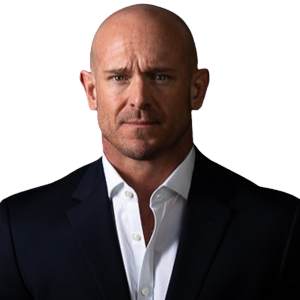

A group of talented people does not automatically become a strong team. Teams become stronger when people trust one another, communicate openly, understand their roles, share responsibility and put collective goals ahead of individual agendas. That is why organizations bring in team building keynote speakers. The best teamwork speakers do more than tell inspiring stories about working together. They help audiences understand the behaviors that create—or undermine—trust, collaboration, accountability, psychological safety and shared purpose. Whether an organization is bringing together a new team, struggling with departmental silos, navigating change or trying to rebuild trust, the right teamwork speaker can help people understand what they need from one another to succeed together.
Best Team Building Speakers: Quick Answer
The best team building speakers combine compelling real-world experience with practical lessons about trust, collaboration, communication, accountability and shared purpose. Leading teamwork keynote speakers this year include:
- Patrick Lencioni — Trust, cohesion, organizational health
- Robyn Benincasa — Teamwork, collaboration, shared success
- Mike Sarraille — Elite teams, trust, accountability
- Peggy Whitson — Spaceflight, teamwork, leadership
- Keith Ferrazzi — Collaboration, relationships, breaking silos
- Jennifer Azzi — Championship teams, leadership, trust
- Brendan Hall — Psychological safety, resilience, trust
- Mike Eruzione — Shared purpose, selflessness, teamwork
These speakers approach teamwork from remarkably different perspectives—from boardrooms and leadership teams to Olympic competition, elite military units, spaceflight, adventure racing and round-the-world ocean racing.
What Does a Team Building Keynote Speaker Do?
A team building keynote speaker helps people understand how individuals become a cohesive team rather than simply a collection of coworkers. Depending on the organization, that might mean strengthening trust, improving communication, clarifying responsibilities, encouraging productive conflict, breaking down departmental silos or helping employees become more accountable to one another. Teamwork speakers can also help newly assembled teams establish stronger relationships and experienced teams reconnect around a shared purpose. A keynote is different from a traditional team building activity. Instead of simply bringing employees together for an exercise or shared experience, a strong team building speaker gives audiences ideas, stories and practical frameworks they can carry back into everyday work.
Why Do Organizations Hire Teamwork Speakers?
Organizations rarely struggle with teamwork because employees don’t understand that teamwork is important. Problems arise because people stop sharing information, avoid difficult conversations, protect their own departments, lose trust or become unclear about who is responsible for what. Periods of change can expose those problems quickly. Mergers, reorganizations, leadership transitions, rapid growth and hybrid work can all disrupt established relationships and force people to collaborate in new ways. A teamwork keynote can give employees a common language for discussing these challenges and remind them that strong teams are built through repeated behaviors—trust, communication, accountability, mutual support and a willingness to put shared goals ahead of individual interests.
Meet the Best Team Building and Teamwork Speakers
 Patrick Lencioni — Organizational Health, Team Cohesion and Trust
 Patrick Lencioni
- Author of the landmark bestseller The Five Dysfunctions of a Team
- Founder and president of The Table Group
- Pioneer of the organizational health movement
Patrick Lencioni provides one of the clearest business frameworks for understanding why teams struggle. His influential model begins with trust and shows how fear of conflict, lack of commitment, avoidance of accountability and inattention to collective results can progressively weaken a team. Rather than treating teamwork as harmony or constant agreement, Lencioni demonstrates why healthy teams need vulnerability, candid discussion and productive disagreement. His organizational health approach is especially valuable for leadership teams because it connects interpersonal behavior with the way an organization actually operates. Leaders learn that team cohesion isn’t simply about liking one another; it requires enough trust to challenge ideas, admit mistakes and hold one another accountable.
Best for: Executive teams, leadership retreats and organizations working on trust, cohesion, accountability and productive conflict.
Patrick Lencioni gives organizations a practical framework for understanding what prevents talented people from becoming a truly cohesive team.
Robyn Benincasa — Extreme Teamwork, Collaboration and Shared Success
 Robyn Benincasa
- World Champion Adventure Racer
- Founder of the Project Athena Foundation
- Guinness World Record holder
Robyn Benincasa learned teamwork in environments where no individual could succeed alone. As a world-class adventure racer, she competed in grueling multi-day events where teams navigated some of the world’s most challenging terrain while dealing with exhaustion, uncertainty and constant change. Her message is built around interdependence. Great teammates don’t simply perform their own jobs well; they understand when to lead, when to support and how to help another person succeed when circumstances change. Benincasa translates those experiences into energetic lessons about collaboration, adaptability and what she calls creating Human Synergy.
Best for: Corporate conferences, sales meetings and organizations that want an energetic, experiential message about collaboration and shared success.
Robyn Benincasa shows audiences what becomes possible when teammates stop competing for individual credit and commit themselves to winning together.
Mike Sarraille — Elite Teams, Leadership and Accountability
 Mike Sarraille
- Retired U.S. Navy SEAL officer
- Former Recon Marine and Special Operations leader
- Bestselling author of The Talent War
Mike Sarraille draws lessons from elite military environments where trust, preparation and accountability are essential to the team. His message is not that corporate employees should behave like military operators; rather, it examines the behaviors that allow teams to maintain standards and rely on one another when pressure increases. Sarraille emphasizes that strong teams are built deliberately. Leaders establish expectations, teammates earn trust through consistent behavior and accountability becomes something team members owe one another rather than something imposed from above. His experience provides a useful perspective for organizations that want stronger ownership without creating a culture of blame.
Best for: Leadership meetings and organizations focused on accountability, trust, standards and developing stronger teams under pressure.
Mike Sarraille translates lessons from elite teams into practical principles organizations can use to strengthen trust, leadership and accountability.
Peggy Whitson — Teamwork, Leadership and Performance Under Pressure
 Peggy Whitson
- America’s most experienced astronaut
- First woman to command the International Space Station twice
- Record holder for cumulative days in space by an American astronaut
Few teamwork environments make interdependence as obvious as spaceflight. Peggy Whitson’s career required people with highly specialized expertise to communicate precisely, trust one another and function as a team in circumstances where mistakes could carry extraordinary consequences. Whitson’s perspective also challenges the idea that teamwork is simply about leadership. Effective teams require people who know when to lead and when to follow, who respect the expertise of others and who prepare relentlessly before pressure arrives. Her experiences aboard the International Space Station provide an unusually powerful illustration of collaboration among people from different backgrounds, disciplines and cultures.
Best for: Leadership conferences, technical organizations and teams that must collaborate, communicate and make sound decisions in demanding environments.
Peggy Whitson offers a rare perspective on the trust, preparation and collaboration required when a team’s ability to work together truly matters.
Keith Ferrazzi — Collaboration, Relationships and Breaking Down Silos
 Keith Ferrazzi
- #1 New York Times bestselling author of Never Eat Alone
- Author of Leading Without Authority
- Founder and chairman of Ferrazzi Greenlight
Keith Ferrazzi focuses on a teamwork problem that affects many large organizations: people may work effectively inside their own teams while struggling to collaborate across functions, departments and organizational boundaries. Ferrazzi examines the behaviors that create stronger relationships and more effective collaboration, particularly in modern organizations where authority is increasingly distributed and important work crosses traditional reporting lines. His approach is especially relevant when employees need to build stronger networks, share responsibility and collaborate with people they do not directly manage.
Best for: Large organizations, cross-functional teams and companies struggling with silos, collaboration and shared accountability across departments.
Keith Ferrazzi helps organizations replace isolated ways of working with stronger relationships and more collaborative team behaviors.
Jennifer Azzi — Championship Teams, Leadership and Performance

- Olympic Gold Medalist and captain of the U.S. women’s basketball team
- NCAA National Champion
- Inductee into the Women’s Basketball Hall of Fame
Jennifer Azzi understands teamwork from the perspective of championship competition, where talent alone is never enough. Elite basketball teams depend on preparation, communication, trust, role clarity and a willingness to make decisions that benefit the team rather than the individual player. Azzi translates those lessons beyond sports by focusing on the behaviors that allow talented individuals to align around a common goal. Her experience illustrates why great teammates need confidence in their own abilities while also understanding how their role contributes to something larger than themselves.
Best for: Corporate teams, women’s leadership events and organizations looking for an inspiring perspective on trust, preparation, leadership and shared goals.
Jennifer Azzi shows audiences how championship teams transform individual talent into collective achievement through trust, preparation and shared purpose.
Brendan Hall — Trust, Psychological Safety and Team Resilience
 Brendan Hall
- Winning skipper of the Clipper Round the World Yacht Race
- Youngest skipper in his race to lead a team around the world
- Author of Team Spirit
Brendan Hall’s teamwork lessons were forged while leading a crew through one of the world’s most demanding ocean races. His team faced extreme weather, isolation, fatigue and uncertainty while living and working together in an environment where trust could not be treated as an abstract management principle. Hall emphasizes psychological safety, open communication and the ability of teammates to speak up when something is wrong. His experience demonstrates why resilient teams need more than toughness: they need relationships strong enough for people to share concerns, challenge assumptions and support one another when conditions deteriorate.
Best for: Teams navigating uncertainty, organizational change or high-pressure environments where trust and psychological safety are essential.
Brendan Hall demonstrates how trust, psychological safety and resilient relationships allow teams to stay connected when circumstances become difficult.
Mike Eruzione — Shared Purpose, Selflessness and Winning Teams
 Mike Eruzione
- Captain of the 1980 U.S. Olympic “Miracle on Ice” hockey team
- Scored the game-winning goal against the Soviet Union
- Olympic Gold Medalist
Mike Eruzione is forever associated with one of the most famous moments in sports history, but the real teamwork lesson happened long before the final seconds of the Miracle on Ice. The 1980 U.S. Olympic hockey team brought together players with different personalities, backgrounds and roles and turned them into a group willing to sacrifice individual recognition for a common objective. Months of demanding preparation created trust, role acceptance and belief in one another before the team ever stepped onto the ice against the Soviet Union. Eruzione’s story illustrates a fundamental principle of team building: extraordinary moments are often the visible result of countless less-visible decisions to prepare, support teammates and put the team first.
Best for: Corporate meetings, leadership events and organizations looking for an inspiring message about shared purpose, preparation, selflessness and belief.
Mike Eruzione reminds audiences that iconic team achievements begin with individuals accepting their roles and committing themselves to something larger than personal success.
What Type of Teamwork Speaker Does Your Event Need?
The right teamwork keynote speaker depends on what is preventing your people from functioning as a stronger team.
Team Cohesion and Trust: Patrick Lencioni is an excellent choice when talented people struggle with vulnerability, productive conflict, commitment or accountability.
Extreme Teamwork and Collaboration: Robyn Benincasa demonstrates what interdependence looks like when teammates must continually adapt and rely on one another to succeed.
Accountability and Elite Teams: Mike Sarraille is particularly relevant when organizations want to strengthen standards, trust, ownership and accountability.
Teamwork Under Pressure: Peggy Whitson brings lessons from spaceflight about preparation, communication, leadership, followership and collaboration when the consequences of mistakes are serious.
Breaking Down Silos: Keith Ferrazzi is a strong choice for organizations that need better collaboration across departments, functions and traditional reporting structures.
Championship Teamwork: Jennifer Azzi connects elite sports with lessons about preparation, role clarity, leadership, trust and shared goals.
Psychological Safety and Team Resilience: Brendan Hall helps teams understand why trust and open communication become even more important during uncertainty and pressure.
Shared Purpose and Selflessness: Mike Eruzione provides one of sports’ most memorable examples of individuals putting personal recognition aside to achieve something extraordinary together.
What Makes a Great Team?
Great teams don’t happen by accident. They develop through behaviors that are repeated until people know they can depend on one another. Trust creates the foundation. Communication allows people to share information and raise concerns. Shared purpose gives individual efforts direction. Accountability ensures commitments mean something. Psychological safety makes it possible to challenge assumptions and admit mistakes. Resilience allows the team to recover when plans fail. Selflessness may be the least discussed ingredient. Strong teammates understand that there are moments when helping another person succeed matters more than receiving individual recognition. Those qualities reinforce one another. A team with shared goals but no trust will struggle. A team with trust but no accountability may have strong relationships without consistent execution. A resilient team without open communication may repeatedly recover from problems it could have prevented. Team building is the process of strengthening these connections so that people can depend on one another when the work becomes difficult.
How Do Teams Build Trust?
Teams build trust when people repeatedly demonstrate that their words, actions and commitments can be relied upon. Trust grows when teammates communicate honestly, follow through on responsibilities, acknowledge mistakes and ask for help when they need it. Leaders contribute by creating an environment where employees can raise concerns without being punished for delivering uncomfortable information. Trust also requires vulnerability. Patrick Lencioni’s work emphasizes the importance of team members being able to admit mistakes, acknowledge weaknesses and ask one another for assistance. Brendan Hall’s experiences under extreme conditions demonstrate another dimension: people must feel safe enough to speak up before a concern becomes a serious problem. Trust cannot be created by a slogan or a single team exercise. It develops through the everyday interactions that show teammates whether they can truly rely on one another.
How Can Organizations Break Down Silos and Improve Collaboration?
Breaking down silos requires people to see success as an organizational outcome rather than a departmental one. Silos become stronger when teams protect information, optimize only for their own goals or interact primarily with people inside their immediate function. The solution is not simply scheduling more meetings. Organizations need shared objectives, stronger cross-functional relationships and clearer expectations about how teams will work across boundaries. Keith Ferrazzi’s work is especially relevant here because modern organizations increasingly require people to collaborate with colleagues they do not directly manage. Strong relationships and shared accountability make it easier to coordinate work across those traditional boundaries. Communication is central to that process. Organizations working specifically on how employees listen, persuade, give feedback and communicate across differences may also benefit from our guide to the Best Communication Speakers for Corporate Events.
Team Building vs. High-Performance Teams: What’s the Difference?
Team building focuses primarily on developing the relationships and behaviors that allow people to function effectively as a team. That includes trust, communication, collaboration, role clarity, shared purpose and the ability to address conflict. High-performance team development builds on those foundations with greater emphasis on execution, adaptability, accountability and sustained results. The two concepts overlap, but they often represent different stages of team development. A newly assembled group may first need to establish trust and understand how members will work together. An experienced team that already collaborates effectively may instead be looking for ways to raise standards, improve execution and achieve exceptional results. If your team already has a strong foundation and the primary objective is elevating execution and performance, explore our guide to the Best Speakers for Building High-Performance Teams.
Can a Keynote Speaker Improve Teamwork?
Yes, a strong keynote can help improve teamwork by giving employees a common framework for understanding how they work together and specific behaviors they can begin applying after the event. A keynote alone cannot repair every team problem. Deep conflicts, structural problems or poorly designed incentives may require additional organizational work. But a speaker can create a shared experience that makes previously difficult issues easier to discuss. The most effective teamwork keynotes also give audiences memorable language, stories and frameworks they can continue referencing after the event. When leaders reinforce those ideas, a keynote can become a catalyst for broader changes in team behavior.
How Do You Choose the Right Team Building Speaker?
Start with the team’s problem rather than the speaker’s résumé. A team struggling with trust may benefit from a very different presentation than an organization trying to break down silos. A newly formed team may need help developing cohesion and shared purpose, while an experienced team facing uncertainty may need a speaker who understands resilience and psychological safety. Consider the audience as well. Senior leadership teams may respond particularly well to an organizational framework. Sales teams may appreciate an energetic experiential story. Technical audiences may connect strongly with lessons from spaceflight, while organizations looking for a memorable emotional story may prefer an Olympic or adventure-based perspective. The best team building speaker is the one whose experience and message most closely match the behavior your organization wants to strengthen.
Frequently Asked Questions About Team Building Speakers
Who Are the Best Speakers on Teamwork?
Leading teamwork speakers available through Speakers.com and Mike Eruzione. Each brings a different perspective on trust, collaboration, accountability, shared purpose and team cohesion.
What Does a Teamwork Keynote Speaker Talk About?
A teamwork keynote speaker typically addresses the behaviors that help people work effectively together, including trust, communication, collaboration, accountability, shared purpose, conflict, psychological safety and mutual support. The specific emphasis depends on the speaker and the needs of the organization.
What Is the Difference Between a Teamwork Speaker and a Team Building Speaker?
The terms are often used interchangeably. Teamwork speakers generally focus on how people collaborate effectively, while team building speakers may place additional emphasis on developing trust, cohesion and relationships within a group. Many leading keynote speakers address both.
How Can a Keynote Speaker Improve Teamwork?
A keynote speaker can improve teamwork by helping employees recognize unproductive team behaviors and introducing practical frameworks for trust, communication, collaboration and accountability. A shared keynote experience can also give teams a common language for discussing how they work together.
Can a Teamwork Speaker Help Improve Trust?
Yes. Trust is one of the most common themes addressed by teamwork speakers. Experts such as Patrick Lencioni and Brendan Hall examine how vulnerability, psychological safety, honest communication and dependable behavior contribute to stronger team relationships.
What Kind of Speaker Is Best for a Team That Works in Silos?
A speaker specializing in cross-functional collaboration is usually the best fit for teams operating in silos. Keith Ferrazzi is particularly relevant because his work examines relationships, collaboration and how people can work effectively across organizational boundaries without relying solely on formal authority.
Are Sports and Military Teamwork Speakers Relevant to Corporate Audiences?
Yes, when the lessons are translated clearly into organizational settings. Elite sports and military teams can provide powerful examples of preparation, role clarity, accountability, trust and shared purpose. The strongest speakers connect those experiences directly to the challenges employees and leaders encounter in business.
What Should I Look for in a Team Building Keynote Speaker?
Look for a speaker whose experience matches the team’s actual challenge. Consider whether the organization needs stronger trust, better communication, greater accountability, cross-functional collaboration, psychological safety, resilience or a clearer shared purpose. Relevant experience and practical takeaways are more important than simply choosing the most famous speaker.
How Do I Choose the Right Teamwork Speaker for My Event?
Identify the team behavior you most want to improve and choose a speaker whose expertise directly addresses it. Also consider audience level, industry, event objectives and whether the group will respond best to a business framework, research, practical tools or a powerful real-world teamwork story.
Book a Team Building Keynote Speaker Through Speakers.com
The best teamwork speaker depends on what your team needs to become stronger. A leadership team struggling with trust may need a different message from an organization dealing with silos, a newly assembled group building cohesion or an experienced team preparing to perform under extraordinary pressure. Speakers.com has more than 30 years of experience helping corporations, associations, universities, government organizations and meeting professionals find keynote speakers for events around the world. Explore our Team Building Speakers or contact Speakers.com for help identifying the teamwork keynote speaker whose experience and message best match your organization’s goals.