

Black History Month is an opportunity to celebrate the extraordinary contributions of African Americans to our nation’s history, culture, economy and progress. From the civil rights movement and groundbreaking achievements in sports to entrepreneurship, journalism and social change, Black leaders and trailblazers have helped shape American society in profound and lasting ways. For corporations, universities, associations and community organizations, Black History Month offers more than an occasion to reflect on the past. It is an opportunity to recognize achievements that have transformed our world, explore stories that deserve greater attention and inspire meaningful conversations about leadership, opportunity and the future.
The best Black History Month speakers bring these stories to life through personal experiences, historical insight and compelling perspectives on the African American experience. Some have direct connections to pivotal moments in American history. Others have broken barriers in their professions, challenged institutional practices or created new opportunities for future generations. Whether your organization is planning a February celebration, educational program, leadership conference or employee engagement event, the right Black History Month keynote speaker can create an experience that is informative, inspiring and memorable.
Quick Answer: Who Are the Best Black History Month Speakers?
Our selections for the top Black History Month keynote speakers include:
- Ilyasah Shabazz — Black history, Malcolm X’s legacy, education and human rights.
- Dr. Bernice A. King — Civil rights history, nonviolence and the continuing legacy of Dr. Martin Luther King Jr.
- Dominique Dawes — Olympic achievement, breaking barriers and inspiring future generations.
- Angela Davis — Black activism, social justice and the history of movements for equality.
- Marc Morial — Economic empowerment, civil rights and African American leadership.
- Judge Victoria Pratt — Criminal justice reform, dignity and institutional change.
- Baratunde Thurston — Black identity, cultural storytelling, media and civic engagement.
- Dorothy Gilliam — Black journalism, civil rights history and breaking professional barriers.
- Anita Hill — Workplace equality, civil rights and institutional accountability.
- Daymond John — Black entrepreneurship, business innovation and economic empowerment.
These speakers represent a broad range of experiences and accomplishments, offering organizations meaningful ways to explore Black history while celebrating the achievements and leadership of African Americans today.
Why Black History Month Speakers Matter
Established in 1926 as Negro History Week by historian Carter G. Woodson and expanded into a monthlong national observance in 1976, Black History Month recognizes the accomplishments, struggles and contributions of African Americans throughout U.S. history. Its importance extends beyond honoring famous historical figures. Black History Month provides an opportunity to examine how African Americans have shaped education, science, business, politics, journalism, sports, the arts and countless other aspects of American life. For organizations, a meaningful Black History Month program can connect historical understanding with contemporary experiences. A speaker who has personally broken barriers can demonstrate how individual determination intersects with larger social change. A historian or civil rights advocate can provide context for the events and movements that transformed American institutions. A business leader can illuminate the contributions of Black entrepreneurs and the importance of expanding economic opportunity. The most effective keynote presentations connect these experiences with the interests of the audience. Rather than treating Black history as a collection of isolated achievements, they reveal the relationships among history, leadership, cultural identity, opportunity and progress.
Meet the Best Black History Month Keynote Speakers
 Ilyasah Shabazz — Preserving Black History and the Legacy of Malcolm X
 Ilyasah Shabazz
- Daughter of Malcolm X and Dr. Betty Shabazz, two influential figures in American civil rights history.
- Award-winning author, educator and advocate for human rights and social justice.
- Author of books exploring African American history, identity, family and the legacy of her parents.
Few Black History Month speakers offer the deeply personal connection to American civil rights history that Ilyasah Shabazz brings to the stage. As the daughter of Malcolm X and Dr. Betty Shabazz, she grew up surrounded by the legacy of two individuals whose contributions helped shape the national conversation about racial justice, education and human dignity. Yet Shabazz’s work extends far beyond preserving her family’s history. Through her writing, educational initiatives and public speaking, she encourages audiences to examine the historical experiences that shaped African American identity while considering the responsibilities of future generations. Her books, including Growing Up X and X: A Novel, offer perspectives on the life and legacy of Malcolm X, bringing historical events into a more personal and accessible context. Shabazz emphasizes the importance of education, cultural awareness, self-determination and leadership. Her presentations connect the lessons of the civil rights movement with contemporary challenges and opportunities, encouraging audiences to recognize the power of history in shaping individual and collective identity.
Best for: Black History Month celebrations, universities, educational institutions, corporate cultural programs, civil rights commemorations and leadership conferences.
Through her personal connection to American history and her commitment to education and human rights, Ilyasah Shabazz offers audiences a compelling opportunity to explore the past while considering how its lessons can inspire future progress.
Dr. Bernice A. King — Civil Rights, Nonviolence and the Continuing Pursuit of Equality

- Chief Executive Officer of The King Center in Atlanta, Georgia.
- Youngest daughter of Dr. Martin Luther King Jr. and Coretta Scott King.
- Advocate for nonviolent social change, education and human dignity.
Dr. Bernice A. King carries forward one of the most influential legacies in American history while establishing her own voice as a leader, educator and advocate. As CEO of The King Center, she works to preserve and advance the philosophy of nonviolence associated with her father’s leadership in the American civil rights movement. Her perspective is especially meaningful during Black History Month because it connects the historical struggle for civil rights with the continuing importance of leadership, compassion and social responsibility. King’s presentations explore the values that sustained the movement, including courage, perseverance, community engagement and the belief that lasting change requires both conviction and constructive action. Rather than viewing the civil rights movement as a completed chapter of history, she encourages audiences to consider how its principles can inform the decisions and relationships that shape society today. Her message offers organizations an opportunity to examine the significance of historical progress while recognizing the ongoing importance of equality and mutual respect.
Best for: Black History Month celebrations, universities, corporate leadership programs, community organizations and educational events.
Through her commitment to preserving history and advancing nonviolent leadership, Dr. Bernice A. King helps audiences understand the continuing significance of the civil rights movement and its lessons for future generations.
Dominique Dawes — Olympic Achievement, Breaking Barriers and Inspiring Future Generations
 Dominique Dawes
- Three-time Olympian and Olympic gold medalist in gymnastics.
- Member of the groundbreaking 1996 U.S. women’s gymnastics team, known as the Magnificent Seven.
- First Black woman to win an individual Olympic medal in artistic gymnastics.
Black History Month celebrates individuals whose achievements challenged expectations and opened doors for those who followed. Dominique Dawes represents that spirit through her extraordinary career in gymnastics. As a three-time Olympian, Dawes became one of the most recognizable athletes of her generation, helping redefine perceptions of what was possible for Black women in a sport where they had historically been underrepresented at the highest levels. At the 1996 Olympic Games in Atlanta, Dawes helped the United States women’s gymnastics team win its first Olympic team gold medal. She also earned an individual bronze medal in floor exercise, becoming the first Black woman to win an individual Olympic medal in artistic gymnastics. Her accomplishments carried significance beyond athletic competition. They expanded visibility, challenged stereotypes and inspired young athletes to pursue opportunities in gymnastics and other competitive fields. Today, Dawes shares lessons about perseverance, confidence, preparation, teamwork and the importance of developing healthy environments in which young people can thrive. Her story connects athletic achievement with broader themes of representation, leadership and the lasting impact of breaking barriers.
Best for: Black History Month celebrations, corporate leadership conferences, educational programs, women’s leadership events, youth organizations and inspirational keynote programs.
With her historic Olympic achievements and commitment to inspiring future generations, Dominique Dawes brings an uplifting perspective on African American achievement, determination and the power of opportunity.
Angela Davis — Black Activism, Civil Rights History and Social Justice
 Angela Davis
- Influential scholar, author and longtime activist in civil rights and social justice movements.
- Professor emerita at the University of California, Santa Cruz.
- Author of books examining race, gender, freedom and the American criminal justice system.
Angela Davis has been a prominent figure in American political and intellectual life for more than five decades. Her work as an educator, author and activist has contributed to national and international conversations about civil rights, racial inequality, incarceration and the relationship between social institutions and individual freedom. Davis became widely known during the civil rights era, and her experiences reflect a period of significant political activism and social transformation. Throughout her academic career, she has examined the historical forces that shaped racial and gender inequality while challenging audiences to consider how those forces continue to influence contemporary society. Her books, including Women, Race & Class and Are Prisons Obsolete?, have contributed to scholarly and public discussions about the intersections of race, gender, economic opportunity and justice. For Black History Month audiences, Davis offers a perspective that connects the history of African American activism with broader questions about democracy, institutional power and social change. Her presentations are particularly relevant for organizations seeking thoughtful discussion of historical movements, civic participation and the continuing influence of Black intellectual traditions.
Best for: Universities, academic conferences, Black History Month educational programs, cultural institutions and social justice forums.
Through her scholarship and decades of activism, Angela Davis offers audiences a historically grounded perspective on African American political thought, civil rights movements and the continuing pursuit of social change.
Marc Morial — Black Leadership, Economic Empowerment and Civil Rights
 Marc Morial
- President and CEO of the National Urban League.
- Former mayor of New Orleans.
- Prominent advocate for economic opportunity, education, employment and civil rights.
The history of African American progress is inseparable from the pursuit of economic opportunity, educational access and meaningful participation in American institutions. Marc Morial has devoted much of his professional life to advancing these goals. As President and CEO of the National Urban League, Morial leads one of the country’s most established civil rights and economic empowerment organizations. His work emphasizes the importance of education, workforce development, entrepreneurship and access to opportunities that allow individuals and communities to prosper. Before joining the National Urban League, Morial served as mayor of New Orleans, gaining extensive experience in public leadership, economic development and community engagement. His presentations connect the historical achievements of the civil rights movement with contemporary questions about economic mobility, leadership and institutional opportunity. For corporate audiences, Morial brings a perspective that emphasizes the role of businesses, educational institutions and community organizations in strengthening economic participation and developing future leaders.
Best for: Corporate Black History Month programs, business leadership conferences, economic development forums, association meetings and university events.
Drawing on his experience in public service and civil rights leadership, Marc Morial helps audiences explore the relationship between African American history, economic empowerment and the opportunities that shape future generations.
Judge Victoria Pratt — Justice Reform, Human Dignity and Institutional Change
 Judge Victoria Pratt
- Former chief judge of Newark Municipal Court in New Jersey.
- Nationally recognized advocate for procedural justice and criminal justice reform.
- Author of The Power of Dignity.
Judge Victoria Pratt has built her career around a fundamental principle: institutions function more effectively when they recognize the dignity of the people they serve. As a municipal court judge in Newark, New Jersey, Pratt developed an approach emphasizing respect, communication, fairness and accountability within the judicial process. Her work gained national attention for demonstrating how changes in courtroom practices and personal interactions could influence perceptions of justice and institutional trust. Pratt’s perspective is especially relevant to Black History Month because the history of African American civil rights includes an ongoing examination of fairness, equal treatment and access to justice. Her presentations explore how institutions can build trust, improve relationships and create environments where people feel heard and respected. Although her experiences originate in the legal system, her lessons extend naturally to corporate leadership, organizational culture, education and public service. She challenges audiences to consider how everyday interactions and institutional practices influence individual experiences and community confidence.
Best for: Black History Month programs, legal conferences, leadership development events, public service organizations, universities and corporate culture programs.
Through her experiences in the judicial system and her commitment to human dignity, Judge Victoria Pratt offers audiences a compelling perspective on fairness, leadership and the potential for meaningful institutional change.
Baratunde Thurston — Black Identity, Cultural Storytelling and Civic Engagement
 Baratunde Thurston
- Author of How to Be Black.
- Writer, producer, comedian and commentator on culture, technology and society.
- Former director of digital at The Onion and host of the PBS series America Outdoors with Baratunde Thurston.
Black History Month is not only about remembering historical achievements. It is also an opportunity to explore the evolving experiences, identities and cultural contributions of Black Americans. Baratunde Thurston approaches these subjects through storytelling, humor and thoughtful social commentary. As an author, producer and media personality, Thurston has developed a distinctive voice at the intersection of race, culture, technology and civic engagement. His book How to Be Black uses humor and personal reflection to examine stereotypes, identity and the complexities of the Black American experience. Through his work in digital media, television and public speaking, Thurston encourages audiences to consider how cultural narratives influence the way individuals understand themselves and one another. His presentations often combine personal experiences with observations about American society, creating opportunities for audiences to engage with serious subjects through an accessible and entertaining approach. For organizations seeking a contemporary Black History Month program, Thurston offers a perspective that connects historical awareness with modern conversations about identity, representation and community.
Best for: Corporate Black History Month celebrations, universities, media conferences, cultural events, employee engagement programs and community organizations.
With his combination of humor, cultural insight and storytelling, Baratunde Thurston helps audiences explore Black identity and the evolving American experience in ways that encourage curiosity, reflection and meaningful conversation.
Dorothy Gilliam — Breaking Barriers in Journalism and Preserving Black History
 Dorothy Gilliam
- First Black woman reporter at The Washington Post.
- Pioneering journalist whose career included coverage of the civil rights era.
- Author of the memoir Trailblazer: A Pioneering Journalist’s Fight to Make the Media Look More Like America.
Dorothy Gilliam’s career represents an important chapter in the history of African American journalism and the struggle for greater representation in American media. When she joined The Washington Post in 1961, Gilliam became the newspaper’s first Black woman reporter, entering a profession in which opportunities for African American journalists were severely limited. Her career unfolded during a transformative period in American history, giving her a firsthand perspective on the civil rights movement and the challenges faced by Black journalists working to tell stories that were often overlooked. Gilliam went on to become an influential advocate for greater diversity in journalism and for expanding opportunities for journalists from underrepresented communities. Her memoir, Trailblazer, chronicles the barriers she encountered and the determination required to establish herself in a changing media landscape. For Black History Month audiences, Gilliam’s experiences illustrate the significance of representation, the importance of independent journalism and the contributions of Black women who helped reshape American institutions. Her story also highlights how individual professional achievements can contribute to broader social progress.
Best for: Universities, journalism schools, Black History Month celebrations, women’s leadership programs, media organizations and educational conferences.
As a pioneering journalist and advocate for representation, Dorothy Gilliam offers audiences a powerful firsthand perspective on African American history, professional achievement and the importance of ensuring that diverse stories are told.
Anita Hill — Workplace Equality, Civil Rights and Institutional Accountability
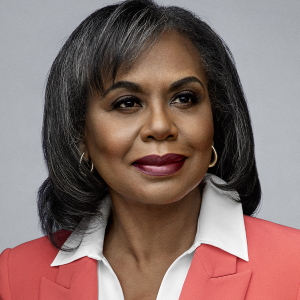 Anita Hill
- University professor, attorney and nationally recognized advocate for equality.
- Known for her testimony during the 1991 Supreme Court confirmation hearings of Clarence Thomas.
- Author of Speaking Truth to Power and Believing.
Anita Hill’s career has helped shape national conversations about workplace equality, institutional accountability and the experiences of women within American society. A legal scholar, author and advocate, Hill became a prominent public figure in 1991 when her testimony during the Supreme Court confirmation hearings of Clarence Thomas brought workplace sexual harassment into the national spotlight. Her experiences became part of a broader historical discussion about power, credibility, professional opportunity and the challenges faced by women seeking fair treatment within institutions. Hill’s work extends beyond that defining moment. Through her scholarship, writing and public speaking, she examines the relationships among gender, race, institutional responsibility and the conditions necessary for meaningful equality. Her books, including Speaking Truth to Power and Believing, explore personal experiences and larger questions about justice, accountability and social progress. For Black History Month audiences, Hill brings an important perspective on the contributions of Black women to legal scholarship, civil rights discourse and the evolution of workplace standards.
Best for: Corporate Black History Month programs, universities, legal conferences, women’s leadership events and organizational culture initiatives.
Through her scholarship and advocacy, Anita Hill encourages audiences to examine the historical significance of workplace equality, the responsibilities of institutions and the importance of creating environments where every individual can contribute.
Daymond John — Black Entrepreneurship, Innovation and Economic Empowerment
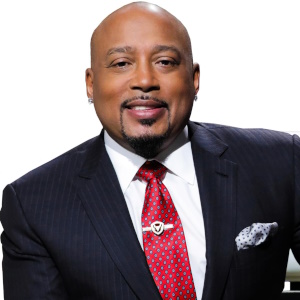 Daymond John
- Founder of FUBU, the globally recognized fashion brand.
- Original investor on ABC’s Shark Tank.
- Bestselling author of The Power of Broke and other business leadership books.
The achievements of African American entrepreneurs are an essential part of Black history, reflecting generations of creativity, determination and business leadership. Daymond John brings this story to life through his journey from a young entrepreneur in Queens, New York, to the founder of a globally recognized fashion brand. John launched FUBU with a vision of creating clothing that reflected the style and cultural influence of the hip-hop community. What began as a small entrepreneurial venture grew into an internationally recognized business, demonstrating the commercial power of cultural authenticity, innovative marketing and perseverance. As an original investor on ABC’s Shark Tank, John became widely known for helping entrepreneurs evaluate business opportunities, develop brands and navigate the challenges of building successful companies. His book The Power of Broke explores how limited resources can encourage creativity, resourcefulness and entrepreneurial determination. For Black History Month audiences, John’s story provides an opportunity to celebrate African American entrepreneurship and examine the role Black-owned businesses have played in shaping American commerce and culture. His presentations also offer practical lessons about branding, leadership, innovation and the importance of recognizing opportunities that others may overlook.
Best for: Corporate Black History Month celebrations, entrepreneurship conferences, business leadership events, universities, sales meetings and economic empowerment programs.
Through his experiences building FUBU and supporting emerging entrepreneurs, Daymond John inspires audiences to recognize the power of innovation, cultural influence and entrepreneurial achievement in shaping business and society.
Celebrating the Many Dimensions of Black History and Achievement
One of the most important aspects of Black History Month is recognizing that African American history encompasses far more than any single movement, profession or period.
The contributions of Black Americans can be found throughout the nation’s development, from education and public service to entrepreneurship, athletics, journalism and the arts.
The experiences of these ten speakers reflect several important dimensions of that history.
Civil Rights and Historical Legacy: Ilyasah Shabazz, Dr. Bernice A. King and Angela Davis connect audiences with the people, ideas and movements that helped shape the struggle for civil rights and social change.
Breaking Barriers and Expanding Opportunity: Dominique Dawes and Dorothy Gilliam demonstrate how individual achievements can challenge established expectations and create opportunities for future generations.
Economic Empowerment and Business Leadership: Marc Morial and Daymond John illustrate different approaches to expanding economic participation, encouraging entrepreneurship and strengthening communities.
Justice, Equality and Institutional Change: Judge Victoria Pratt and Anita Hill examine how fairness, accountability and human dignity influence institutions and the people they serve.
Cultural Identity and Storytelling: Baratunde Thurston brings a contemporary perspective on Black identity, representation and the role of cultural narratives in shaping American society.
Together, these perspectives create a richer understanding of Black history, recognizing both the accomplishments of earlier generations and the individuals continuing to influence American life today.
How to Choose the Right Black History Month Speaker for Your Event
Choosing a Black History Month keynote speaker begins with understanding what your organization hopes to accomplish. For universities and educational institutions, a speaker with a direct connection to historical events or extensive experience examining African American history may be especially appropriate. These presentations can deepen historical understanding while encouraging students and faculty to consider the lasting significance of earlier movements and achievements. Corporate audiences may prefer speakers who connect Black history with leadership, entrepreneurship, workplace culture or professional achievement. Stories about breaking barriers, building businesses and creating opportunity can provide valuable lessons while remaining grounded in the purpose of Black History Month. Community organizations may seek presentations emphasizing cultural identity, civil rights history, education or the experiences of individuals who contributed to meaningful social progress. The speaker’s personal experience and presentation style also matter. Some deliver powerful historical reflections, while others use storytelling, humor or lessons from their professional careers to connect with audiences. A successful Black History Month program should celebrate achievement, encourage learning and provide attendees with a meaningful perspective on the contributions of African Americans. Meeting planners should also consider the audience’s familiarity with the subject, the event’s educational objectives, the desired presentation format and whether a keynote address, moderated conversation or audience discussion would best support the program.
Frequently Asked Questions About Black History Month Speakers
Who Are the Best Black History Month Keynote Speakers?
Leading Black History Month speakers this year include Ilyasah Shabazz, Dr. Bernice A. King, Dominique Dawes, Angela Davis, Marc Morial, Judge Victoria Pratt, Baratunde Thurston, Dorothy Gilliam, Anita Hill and Daymond John. These speakers offer perspectives on African American history, civil rights, cultural achievement, entrepreneurship and leadership.
What Is Black History Month?
Black History Month is an annual observance in February recognizing the history, achievements and contributions of African Americans. It provides opportunities to learn about influential individuals, historical events, cultural accomplishments and the continuing impact of Black Americans on society.
Why Do Organizations Hire Black History Month Speakers?
Organizations hire Black History Month speakers to educate audiences, celebrate African American achievements, recognize historical contributions and encourage meaningful conversations about leadership, culture, opportunity and social progress.
What Topics Do Black History Month Speakers Discuss?
Common topics include African American history, the civil rights movement, Black entrepreneurship, cultural identity, historical achievements, leadership, representation, education, social change and the experiences of individuals who have broken barriers.
Who Are the Best Black History Month Speakers for Corporate Events?
Daymond John, Dominique Dawes, Marc Morial, Anita Hill, Judge Victoria Pratt and Baratunde Thurston offer perspectives that can be particularly relevant to corporate audiences. Their presentations connect Black history with business achievement, leadership, workplace experiences and organizational culture.
Who Are the Best Black History Month Speakers for Schools and Universities?
Ilyasah Shabazz, Dr. Bernice A. King, Angela Davis, Dorothy Gilliam and Dominique Dawes are strong candidates for educational programs. Their experiences offer opportunities to explore civil rights history, African American achievement, cultural identity and the importance of education.
Can Black History Month Speakers Address Leadership and Professional Development?
Yes. Many Black History Month speakers connect their historical experiences or professional accomplishments with lessons about perseverance, leadership, opportunity, teamwork and personal development. The strongest programs maintain a clear connection to Black history while addressing the interests of the audience.
How Much Does It Cost to Hire a Black History Month Speaker?
Speaking fees vary depending on the speaker’s prominence, experience, event location, presentation format and scheduling requirements. Speakers.com can provide current fee and availability information based on your event details and budget.
When Should You Book a Black History Month Keynote Speaker?
Organizations should ideally begin planning several months before February. Black History Month is a popular time for educational and corporate events, and prominent speakers may receive multiple requests for the same dates. Early planning provides greater flexibility in selecting a speaker and coordinating event logistics.
How Do I Book a Black History Month Speaker?
Speakers.com helps corporations, universities, associations and community organizations identify and book keynote speakers. Our experienced booking professionals can assist with speaker recommendations, speaking fees, availability, contracts and event coordination.
Book a Top Black History Month Keynote Speaker Through Speakers.com
Black History Month provides an opportunity to celebrate the extraordinary achievements of African Americans while exploring the history, experiences and ideas that continue to shape our nation. From the legacy of the civil rights movement to groundbreaking accomplishments in sports, journalism, business and public service, the stories of Black leaders and trailblazers offer powerful lessons about determination, leadership and opportunity. The right keynote speaker can bring these stories to life, helping audiences gain a deeper appreciation for African American history and the individuals whose contributions have influenced generations.
For more than 30 years, Speakers.com has helped corporations, universities, associations and organizations around the world book exceptional keynote speakers for conferences, educational programs and special events. Whether you’re planning a corporate Black History Month celebration, university lecture, leadership conference or community program, our experienced team can help you find a speaker whose expertise and message align with your event’s goals. Contact Speakers.com today to discuss speaking fees, availability and the best Black History Month keynote speakers for your upcoming event.

