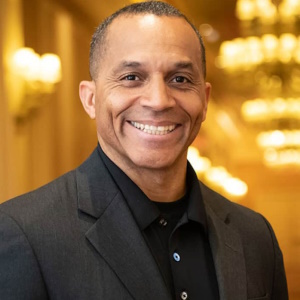

Dorothy Gilliam Speaker Biography
Trailblazing Washington Post Journalist, Civil Rights Advocate, and Media Diversity Pioneer
Dorothy Butler Gilliam is a pioneering American journalist, civil rights advocate, media diversity leader, and author who made history in 1961 as the first African American woman reporter hired by The Washington Post. Over a distinguished career spanning more than five decades, Gilliam broke racial and gender barriers, reported on defining moments of the Civil Rights Movement, and helped transform opportunities for women and journalists of color. From covering the integration of Southern schools to becoming an influential editor and columnist, Dorothy Butler Gilliam built a remarkable legacy of courage, perseverance, and professional excellence. Her experiences offer a powerful perspective on leadership, equality, representation, and the importance of opening doors for future generations.
Keynote Speaker Dorothy Butler Gilliam at a Glance
- Historic Journalism Pioneer: First African American woman reporter hired by The Washington Post in 1961.
- Civil Rights Journalist: Covered the integration of Little Rock Central High School and James Meredith’s enrollment at the University of Mississippi.
- Distinguished Editor and Columnist: Worked at The Washington Post for more than three decades, including 19 years as a columnist.
- Media Diversity Leader: Founding member of the organization that became the Robert C. Maynard Institute for Journalism Education.
- Former President of the National Association of Black Journalists: Led the organization from 1993 to 1995.
- Author of an Acclaimed Memoir: Wrote Trailblazer: A Pioneering Journalist’s Fight to Make the Media Look More Like America.
- Award-Winning Journalist: Recipient of the 2023 W.M. Kiplinger Distinguished Contributions to Journalism Award.
- Champion of Future Generations: Created opportunities for young people and aspiring journalists from underrepresented communities.
Breaking Barriers at The Washington Post
In 1961, Dorothy Butler Gilliam achieved a historic milestone when she became the first Black woman reporter hired by The Washington Post. Her appointment came during an era when racial segregation and gender discrimination created formidable obstacles for African American women seeking careers in mainstream journalism. Gilliam entered a predominantly white, male newsroom at a time when professional opportunities for Black journalists were extremely limited. Although she had earned a master’s degree from Columbia University’s Graduate School of Journalism, she encountered discrimination that extended well beyond the workplace. While covering assignments in Washington, D.C., she sometimes struggled to find transportation because taxi drivers refused to stop for her. During one assignment, a building employee assumed she was domestic help rather than a reporter, directing her toward the service entrance. These experiences reinforced the determination that would define Dorothy Butler Gilliam’s career. Rather than allowing discrimination to limit her ambitions, she established herself as a capable journalist whose reporting helped broaden the stories and perspectives represented in American newspapers. Her achievements opened opportunities for generations of women and journalists of color who followed.
Reporting on the Civil Rights Movement
Dorothy Butler Gilliam began her journalism career in the Black press, where she developed an understanding of the importance of reporting on communities and issues often overlooked by mainstream news organizations. In 1957, while working for the Memphis Tri-State Defender, she covered the integration of Little Rock Central High School in Arkansas, one of the most consequential confrontations over school desegregation in American history. After joining The Washington Post, Gilliam continued reporting on the struggle for civil rights, including the 1962 integration of the University of Mississippi by James Meredith. Her assignments brought her into communities where racial tensions were intense and where African American reporters faced personal risks in carrying out their professional responsibilities. Dorothy Butler Gilliam witnessed the courage of individuals challenging segregation while also confronting many of the same discriminatory practices in her own life. These experiences shaped her understanding of journalism as a profession with the power to document injustice, expand public awareness, and preserve important historical events.
From Groundbreaking Reporter to Influential Columnist
Dorothy Butler Gilliam’s career at The Washington Post evolved from general assignment reporting to editorial leadership and influential commentary. After temporarily leaving the newspaper during the 1960s to devote more time to raising her children, she continued working in journalism through television reporting and freelance writing. Gilliam returned to The Washington Post in 1972 as an assistant editor in the Style section, where she helped expand coverage of subjects affecting women and communities whose experiences had historically received limited attention. In 1979, she began writing a column that would continue for 19 years, addressing education, politics, race relations, community affairs, and the changing social landscape of Washington, D.C. Her writing brought attention to issues that were frequently overlooked and helped readers better understand the experiences of people across the nation’s capital. Throughout her career, Dorothy Butler Gilliam demonstrated that journalism could combine rigorous reporting with a commitment to telling stories that reflected the full diversity of American life.
Championing Diversity and Equal Opportunity in Journalism
Beyond her reporting accomplishments, Dorothy Butler Gilliam became a prominent advocate for greater representation and equal opportunity within the news industry. In 1977, she helped establish the Institute for Journalism Education, which later became the Robert C. Maynard Institute for Journalism Education. The organization was created to expand opportunities for journalists from underrepresented backgrounds and to encourage news organizations to reflect the diversity of the communities they serve. Gilliam recognized that newsroom representation was about more than employment statistics. The experiences and perspectives of journalists influence which stories receive attention, how communities are portrayed, and whether important voices are included in public conversations. Her leadership helped advance a broader understanding of the connection between diversity, journalistic accuracy, public trust, and professional excellence. Dorothy Butler Gilliam has consistently emphasized the importance of preparing future generations to succeed while challenging institutions to create more equitable opportunities.
President of the National Association of Black Journalists
Dorothy Butler Gilliam served as President of the National Association of Black Journalists (NABJ) from 1993 to 1995. During her tenure, she continued advocating for professional development, representation, and greater access to leadership opportunities within American journalism. Her work with NABJ reflected a longstanding commitment to supporting Black journalists and strengthening the profession through mentorship, education, and institutional accountability. Gilliam’s leadership extended beyond individual achievement. She understood that lasting progress required organizations and professional networks capable of creating opportunities for others. Her influence helped reinforce the importance of developing diverse journalistic talent and ensuring that newsrooms remained accountable to the communities they covered.
Developing the Next Generation of Journalists
One of Dorothy Butler Gilliam’s most enduring contributions has been her commitment to mentoring young people and introducing students to careers in journalism. In 1998, she founded the Young Journalists Development Program at The Washington Post, an initiative designed to encourage aspiring journalists from underrepresented communities. The program provided young people with opportunities to develop reporting and writing skills while gaining exposure to professional journalism. Gilliam later continued her work in journalism education through Prime Movers, an initiative associated with George Washington University that connected professional journalists with educators and students. Her educational efforts reflected her belief that young people should have opportunities to tell their own stories, develop critical thinking skills, and participate in the media institutions that shape public understanding. Through these programs, Dorothy Butler Gilliam helped extend her influence far beyond the newsroom, encouraging new generations to pursue journalism with confidence and purpose.
Author of Trailblazer: A Pioneering Journalist’s Fight to Make the Media Look More Like America
In 2019, Dorothy Butler Gilliam published her memoir, Trailblazer: A Pioneering Journalist’s Fight to Make the Media Look More Like America. The book chronicles her journey from growing up in the segregated South to becoming a groundbreaking reporter, editor, and columnist at one of America’s most influential newspapers. Gilliam recounts the racial and gender discrimination she experienced, the challenges of balancing professional ambitions with family responsibilities, and her determination to expand opportunities for others. The memoir also examines the evolution of American journalism and the continuing importance of representation in the media. Through personal stories and historical reflections, Dorothy Butler Gilliam offers insight into the courage required to challenge entrenched barriers and the persistence necessary to create lasting institutional change. Her experiences provide lessons about resilience, leadership, mentorship, and the responsibility of successful professionals to help others advance.
Journalism Honors and National Recognition
Dorothy Butler Gilliam’s achievements have earned recognition from journalism organizations, educational institutions, and professional associations. Her honors include induction into the National Association of Black Journalists Hall of Fame and recognition for her contributions to journalism and media diversity. In 2023, Gilliam received the W.M. Kiplinger Distinguished Contributions to Journalism Award from the National Press Foundation, recognizing her exceptional career and enduring influence on the profession. Her accomplishments reflect more than her historic status as a newsroom pioneer. They recognize decades of reporting, editorial leadership, mentoring, and advocacy that helped reshape opportunities within American journalism. Dorothy Butler Gilliam’s professional legacy continues to influence conversations about representation, journalistic integrity, and the importance of an independent press.
Boston University Preserves Dorothy Butler Gilliam’s Historic Papers
In 2025, Boston University announced the acquisition of Dorothy Butler Gilliam’s professional and personal papers by its Howard Gotlieb Archival Research Center. The collection includes decades of reporting notes, manuscripts, correspondence, photographs, research materials, and other documents reflecting her career and contributions to American journalism. The acquisition preserves a valuable historical record of Gilliam’s experiences as a pioneering Black woman journalist and her efforts to expand opportunities for future generations. Her papers join collections documenting the work of other influential figures in journalism, civil rights, and American history. For Dorothy Butler Gilliam, the preservation of these materials represents another way to ensure that the experiences of journalists who challenged discrimination and helped transform their profession remain accessible to future scholars and students.
A Continuing Commitment to Journalism and Social Justice
Dorothy Butler Gilliam’s commitment to journalism, equality, and public service extends beyond her historic achievements. Her career has demonstrated how individuals can use professional expertise and leadership to challenge exclusion, promote opportunity, and strengthen institutions. Through her writing, educational initiatives, and public advocacy, Gilliam has emphasized the importance of an informed public, ethical journalism, and the responsibility of media organizations to represent the communities they serve. Her experiences are particularly relevant as organizations continue examining questions of fairness, workplace opportunity, leadership, and public trust. Dorothy Butler Gilliam’s legacy illustrates that meaningful change often begins with individuals willing to challenge established practices and continues through their efforts to create opportunities for others.
An Inspirational Speaker on Leadership, Civil Rights, and Breaking Barriers
Dorothy Butler Gilliam brings a rare combination of firsthand historical experience, professional achievement, and personal perseverance to contemporary audiences. Her journey from the segregated South to the newsroom of The Washington Post offers valuable lessons about courage, determination, integrity, and leadership in the face of adversity. Her background is especially relevant to corporate leadership conferences, women’s leadership events, Black History Month celebrations, university programs, journalism conferences, educational institutions, and professional association meetings. Gilliam’s experiences also resonate with organizations focused on mentorship, workplace inclusion, equal opportunity, and the development of future leaders. By connecting historic achievements with enduring lessons about resilience and institutional change, Dorothy Butler Gilliam offers an inspiring perspective on what individuals can accomplish when they refuse to allow barriers to define their potential.
Dorothy Butler Gilliam inspires audiences to challenge barriers, lead with courage and integrity, champion equal opportunity, and create lasting change by opening doors for future generations.
Dorothy Butler Gilliam can be booked for keynote presentations, corporate meetings, leadership conferences, Black History Month events, women’s leadership programs, journalism conferences, university lectures, and association meetings through Speakers.com. Contact Speakers.com to learn more about Dorothy Butler Gilliam’s speaking fee, availability, and customized presentation options.
Dorothy Gilliam Speaking Topics
A Conversation with Dorothy Butler Gilliam: Why the Media Is More Important Than Ever
Drawing on her historic career at The Washington Post, Dorothy Butler Gilliam examines the importance of responsible journalism, an independent press, and accurate reporting in a rapidly changing media environment. Her perspective connects the lessons of the Civil Rights Movement with contemporary questions about public trust, representation, and the role of journalism in a democratic society.
TRAILBLAZER: A Journalists Fight to Make the Media Look More like America
Based on her memoir, Dorothy Butler Gilliam shares her experiences as the first Black woman reporter hired by The Washington Post, the obstacles she encountered, and her determination to create opportunities for future generations of journalists. Her story explores resilience, leadership, workplace discrimination, and the importance of ensuring that different voices and perspectives are represented in American media.
Diversity and Inclusion are Worth Fighting For
Dorothy Butler Gilliam draws on decades of journalism, leadership, and advocacy to explore the importance of representation and equal opportunity. From her pioneering work in the newsroom to her efforts mentoring young journalists, she examines how individuals and organizations can challenge exclusion, expand access to opportunity, and create lasting institutional change.
MLK Now and Before
Having reported on the Civil Rights Movement during the 1950s and 1960s, Dorothy Butler Gilliam offers a firsthand perspective on the era of Dr. Martin Luther King Jr. She reflects on the struggle for civil rights, the importance of courageous leadership, and the continuing relevance of the movement's lessons for contemporary generations.
Dorothy Gilliam Books

Trailblazer: A Pioneering Journalist’s Fight to Make the Media Look More Like America
Purchase BookDorothy Gilliam Videos
Dorothy Gilliam Articles
Dorothy Gilliam Speaker Testimonials
“Dorothy Gilliam is that most rare of revolutionaries, one who not only climbs the barricades, but lets down a ladder to help others up, too.”
- Gloria Steinem, feminist activist, writer, and editor |