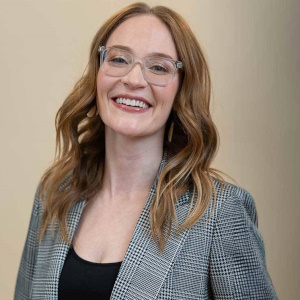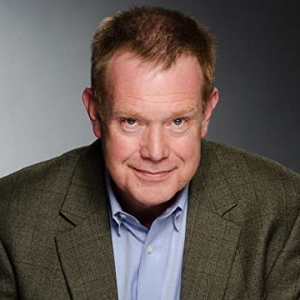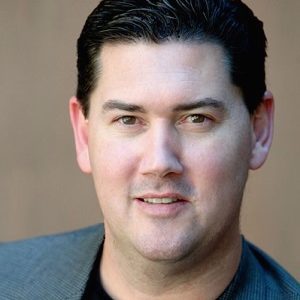

Best Speakers for a Multigenerational Workforce: Quick Answer
The best multigenerational workforce speakers help organizations manage one of today’s most important workplace challenges: getting employees from different generations to communicate, collaborate and perform effectively together. With Baby Boomers, Generation X, Millennials and Generation Z working side by side, leaders must navigate different expectations about communication, management, technology, career development, flexibility, feedback and the meaning of work. Top multigenerational workforce speakers available through Speakers.com include Lynne Lancaster, David Stillman, Seth Mattison, Chuck Underwood, Hannah Ubl, Neil Howe, Robert Wendover and Jason Young.
These experts help employers move beyond generational stereotypes to understand how age and formative experiences can influence workplace expectations—and how leaders can use those differences to improve communication, employee engagement, talent retention, knowledge transfer and organizational performance. For a broader look at experts who study generations in both the workplace and marketplace, explore Speakers.com’s Generational Speakers and Multigenerational Speakers resources.
Top Speakers for Managing a Multigenerational Workforce
- Lynne Lancaster — Generational intelligence, communication, retention
- David Stillman — Gen Z, management, generational differences
- Seth Mattison — Future of work, leadership, workforce strategy
- Chuck Underwood — Generational strategy, leadership, workforce dynamics
- Hannah Ubl — Communication, culture, generational collaboration
- Neil Howe — Generational research, demographics, social change
- Robert Wendover — Recruiting, retention, age diversity
- Jason Young — Engagement, management, high-performance culture
Why Is Managing a Multigenerational Workforce So Important?
Today’s workplace brings together employees whose careers began in dramatically different environments. Some entered the workforce before email and smartphones existed. Others have never known a world without digital communication. Employees may differ in how they prefer to communicate, receive feedback, approach authority, use technology, define career advancement, develop professional relationships and balance work with the rest of their lives. These differences can become organizational strengths—but only when leaders know how to manage them. Without that understanding, relatively small differences can become sources of frustration. Managers may mistake a communication preference for a lack of professionalism. Younger employees may interpret established workplace practices as inflexible. Experienced employees may feel their knowledge is undervalued, while newer employees may believe their ideas are being dismissed because of their age. The goal is not to manage employees according to stereotypes. It is to understand the forces that can shape workplace expectations and then create an environment where people of different ages can communicate effectively, learn from one another and contribute their strengths.
What Are the Biggest Multigenerational Workforce Challenges?
Employers managing multiple generations simultaneously face challenges throughout the employee lifecycle—from recruiting and onboarding to management, development, retention and succession. Communication is one of the most visible differences. Employees may prefer face-to-face conversations, email, messaging platforms or collaborative digital tools. Expectations surrounding feedback can also vary, with some employees comfortable with periodic performance discussions and others accustomed to more frequent communication. Retention presents another challenge. What makes an employee stay with an organization can differ according to career stage, personal priorities and expectations about advancement, flexibility, purpose and development. Knowledge transfer is increasingly important as experienced employees retire. Organizations need ways to preserve institutional knowledge while allowing younger employees to contribute new skills, technologies and perspectives. ublThe most successful organizations do not try to erase these differences. They build workplace cultures capable of turning them into opportunities for mentoring, collaboration, innovation and stronger performance.
Meet the Best Multigenerational Workforce Keynote Speakers
 Lynne Lancaster — Generational Intelligence and Multigenerational Workplace Expert
 Lynne Lancaster
Lynne Lancaster is a bestselling author, researcher and leading expert on generations in the workplace. Her work explores what motivates Traditionalists, Baby Boomers, Generation X, Millennials and Generation Z and how those differences affect communication, leadership, engagement, retention and organizational performance.
Lynne Lancaster’s main topics include:
- Multigenerational workforce
- Generational communication
- Employee motivation and retention
- Generational intelligence
Ideal audiences for Lynne Lancaster include:
- Corporate leadership conferences
- Human resources meetings
- Employee events
- Association conferences
Best for: Organizations that want a practical, research-based introduction to generational differences and strategies for improving communication, engagement and retention across age groups.
Lynne Lancaster helps leaders understand what different generations value at work and provides practical strategies for communicating more effectively, motivating employees and building a workplace where multiple generations can succeed together.
David Stillman — Gen Z and Multigenerational Workplace Expert
 David Stillman
David Stillman is a bestselling author and generational expert who has spent decades researching how generational differences affect organizations. He is co-author of When Generations Collide: Who They Are. Why They Clash. How to Solve the Generational Puzzle at Work and has become a prominent voice on Generation Z as its members establish themselves in the workforce.
David Stillman’s main topics include:
- Gen Z in the workplace
- Managing generational differences
- Recruiting and retaining talent
- Multigenerational communication
Ideal audiences for David Stillman include:
- Human resources conferences
- Corporate leadership meetings
- Management events
- Talent development programs
Best for: Employers trying to understand Gen Z while simultaneously managing the expectations and needs of several generations already established in the workplace.
David Stillman helps leaders identify where generational differences create workplace friction and offers practical strategies for recruiting, retaining, communicating with and managing employees across generations.
Seth Mattison — Future of Work and Workforce Strategy Speaker
 Seth Mattison
Seth Mattison is an internationally recognized workforce strategist, author, strategic advisor and expert on the future of work. His research explores workforce trends, leadership, talent management, high-performance culture and the changing relationship between employees and organizations.
Seth Mattison’s main topics include:
- Future of work
- Workforce strategy
- Leadership and culture
- Generational dynamics
Ideal audiences for Seth Mattison include:
- Executive leadership conferences
- Human resources events
- Corporate meetings
- Future of work conferences
Best for: Organizations that want to place generational differences within the larger transformation of leadership, workplace culture, employee expectations and the future of work.
Seth Mattison helps leaders understand how changing workforce expectations are reshaping organizations and provides strategies for building cultures that engage talent, strengthen leadership and prepare employees for the future of work.
Chuck Underwood — Generational Strategy and Workforce Dynamics Expert
 Chuck Underwood
Chuck Underwood is a pioneering generational researcher, author and host of American Generations with Chuck Underwood on PBS. His work examines how formative experiences shape generational values and how those values influence leadership, workplaces, consumers and society.
Chuck Underwood’s main topics include:
- Generational strategy
- Multigenerational workplaces
- Generational leadership
- Workforce dynamics
Ideal audiences for Chuck Underwood include:
- Corporate leadership teams
- Human resources conferences
- Association meetings
- Management events
Best for: Organizations seeking a deeper understanding of why generations develop different values and how those differences can influence leadership, management and workplace behavior.
Chuck Underwood gives leaders a framework for understanding the experiences that shape each generation and shows organizations how generational knowledge can improve management, communication, leadership and workforce strategy.
Hannah Ubl — Generational Communication and Workplace Culture Speaker
 Hannah Ubl
Hannah Ubl is a generational expert, researcher, consultant and author who focuses on helping organizations understand generational perspectives while building stronger human connections at work. Her approach moves beyond generational labels to address communication, culture and the everyday interactions that determine whether employees work effectively together.
Hannah Ubl’s main topics include:
- Generational communication
- Workplace culture
- Multigenerational collaboration
- Human-centered workplaces
Ideal audiences for Hannah Ubl include:
- Employee conferences
- Human resources events
- Leadership meetings
- Corporate culture programs
Best for: Organizations looking to reduce generational friction and create a more human workplace where employees of different ages understand, communicate with and support one another.
Hannah Ubl helps organizations replace generational assumptions with understanding, improve workplace communication and create cultures where employees across age groups can connect and collaborate more effectively.
Neil Howe — Generational Research, Demographics and Social Change Expert
 Neil Howe
Neil Howe is a historian, economist, demographer, bestselling author and renowned authority on generations and social change in America. His extensive research examines how generations are shaped, how their attitudes evolve and how demographic change affects organizations and society.
Neil Howe’s main topics include:
- Generational research
- Workforce demographics
- Social change
- Generations in the workplace
Ideal audiences for Neil Howe include:
- Executive conferences
- Human resources leaders
- Financial and business audiences
- Strategic planning events
Best for: Organizations seeking a research-driven, demographic perspective on how generational change may affect the workforce, leadership and long-term business strategy.
Neil Howe helps leaders understand the larger demographic and social forces shaping each generation and explains how organizations can better anticipate changing attitudes toward work, leadership, institutions and professional life.
Robert Wendover — Generational Workforce Trends, Recruiting and Retention Expert
 Robert Wendover
Robert Wendover has researched, written and spoken about workforce issues for more than 30 years. An award-winning author and generational workforce trends expert, he focuses on the practical management challenges created by changing demographics, workplace expectations and employment trends.
Robert Wendover’s main topics include:
- Managing age diversity
- Recruiting and retention
- Workforce trends
- Employee engagement
Ideal audiences for Robert Wendover include:
- Human resources conferences
- Management meetings
- Corporate leadership events
- Workforce development programs
Best for: Employers looking for practical strategies to manage age diversity while improving recruitment, retention, engagement and workplace performance.
Robert Wendover helps employers understand how different generations approach work while providing practical strategies for recruiting talent, retaining employees, improving engagement and managing age diversity in today’s changing workplace.
Jason Young — Generational Workforce Engagement and High-Performance Culture Speaker
 Jason Young
Jason Young is a former senior-level manager at Southwest Airlines and an expert on leadership development, employee engagement, customer service and workplace culture. Drawing on his experience inside one of America’s most recognized corporate cultures, he addresses how managers can lead different generations while creating a high-performance workplace.
Jason Young’s main topics include:
- Generational workforce engagement
- Leadership and management
- High-performance culture
- Employee retention
Ideal audiences for Jason Young include:
- Corporate leadership meetings
- Human resources events
- Management conferences
- Employee programs
Best for: Organizations that want to connect multigenerational management with employee engagement, leadership practices, team performance and workplace culture.
Jason Young helps leaders understand how employees from different generations may learn, think and work differently while showing managers how intentional leadership, coaching and culture can bring those differences together in a high-performance workplace.
What Type of Multigenerational Workforce Speaker Does Your Event Need?
Multigenerational Speakers: Lynne Lancaster, David Stillman and Chuck Underwood are strong choices when the primary goal is understanding generational differences and translating those insights into better workplace communication and management.
Gen Z and Emerging Workforce Expectations: David Stillman brings particular expertise on Gen Z, including what younger employees expect from careers and how employers can recruit, retain and manage them successfully.
Future of Work Speakers: Seth Mattison connects generational dynamics to broader changes in leadership, talent management, workplace culture and the future relationship between employees and organizations.
Human Resources Speakers: Robert Wendover is particularly relevant for employers focused on recruiting, retention, workforce trends and managing age diversity.
Corporate Culture Speakers: Hannah Ubl and Jason Young help organizations examine how communication, management practices and workplace culture affect employees across generations.
Generational Research and Demographics: Neil Howe provides a broader research and demographic perspective for leaders who want to understand how generational change may influence organizations and society over the long term.
How Can Managers Lead Multiple Generations at Work?
Effective multigenerational management begins by recognizing differences without allowing generational labels to become stereotypes. Managers should learn what motivates individual employees rather than assuming everyone of a particular age wants the same thing. At the same time, understanding broad generational patterns can help leaders ask better questions about communication, feedback, technology, career development and workplace expectations. Flexibility is particularly important. A manager may need to communicate differently with different employees while still maintaining consistent standards and expectations. Leaders should also create opportunities for employees of different ages to work together rather than allowing informal generational silos to develop. The objective is not to make every generation work in exactly the same way. It is to create enough shared purpose, trust and clarity that different approaches can coexist without preventing the organization from moving forward.
How Can Employers Reduce Generational Friction?
Many generational conflicts begin with assumptions about intent. A communication style interpreted by one employee as efficient may seem abrupt to another. A preference for face-to-face discussion may be interpreted as resistance to technology. A request for frequent feedback may be mistaken for insecurity rather than a different expectation about management. Organizations can reduce these tensions by creating clear communication norms, encouraging curiosity and helping employees understand why colleagues may approach work differently. Managers also play a critical role. Rather than reinforcing stereotypes about “Boomers,” “Millennials” or “Gen Z,” leaders can focus conversations on behavior, expectations and results. Generational differences become less divisive when employees understand one another and recognize that different experiences can contribute valuable perspectives to the same problem.
How Can Organizations Improve Knowledge Transfer Between Generations?
Knowledge transfer is becoming a major workforce priority as experienced employees approach retirement while younger workers move into increasingly important roles. Traditional mentoring remains valuable, but organizations can go further. Cross-generational project teams, structured mentoring programs, job shadowing, documentation of critical processes and succession planning can help preserve institutional knowledge. Reverse mentoring can also be effective. Experienced employees may transfer technical, organizational or industry knowledge while younger employees share expertise involving emerging technologies, digital communication and changing customer or workforce expectations. The strongest approach treats knowledge transfer as a two-way exchange rather than assuming expertise flows in only one direction.
How Does Gen Z Change the Multigenerational Workplace?
Generation Z has moved beyond being simply the “next generation” and is now an established part of the workforce. Their arrival adds another set of formative experiences and workplace expectations to organizations already managing Baby Boomers, Generation X and Millennials. Employers increasingly need to understand how Gen Z approaches communication, technology, career development, workplace flexibility, feedback and professional growth. At the same time, organizations should avoid assuming that every Gen Z employee behaves identically. The broader challenge is integrating newer employees into an existing culture without expecting them simply to adopt every established practice—or expecting the organization to abandon practices that continue to work. That balance makes generational intelligence increasingly important for managers.
Frequently Asked Questions About Multigenerational Workforce Speakers
Who Are the Best Speakers for a Multigenerational Workforce?
Top multigenerational workforce speakers available through Speakers.com include Lynne Lancaster, David Stillman, Seth Mattison, Chuck Underwood, Hannah Ubl, Neil Howe, Robert Wendover and Jason Young. Their expertise ranges from generational research and Gen Z to recruiting, retention, leadership, workplace culture and future workforce strategy.
What Does a Multigenerational Workforce Speaker Talk About?
Multigenerational workforce speakers address generational differences, workplace communication, leadership, employee engagement, recruiting, retention, management styles, Gen Z expectations, workplace culture, knowledge transfer and collaboration across age groups. Their goal is to help organizations turn generational differences into an advantage rather than a source of conflict.
What Generations Are Currently in the Workplace?
Today’s workforce primarily includes Baby Boomers, Generation X, Millennials and Generation Z, although the exact composition varies significantly by organization and industry. Each generation entered the workforce during a different economic, technological and cultural environment, which can influence expectations about work and management.
Who Is a Good Speaker About Gen Z in the Workplace?
David Stillman is an especially strong choice for organizations focused on Gen Z. His programs address what makes Generation Z different, what its members expect from their careers, and how employers can recruit, retain and manage them while bridging differences with other generations.
How Can Companies Improve Communication Between Generations?
Companies can improve multigenerational communication by establishing clear expectations, recognizing different communication preferences, reducing assumptions and stereotypes, encouraging employees to ask questions, and creating opportunities for different generations to work together. A generational keynote speaker can provide a shared framework that helps employees better understand the perspectives of their colleagues.
Why Is Knowledge Transfer Important in a Multigenerational Workforce?
Knowledge transfer helps organizations preserve institutional, technical and relationship knowledge as experienced employees retire or change roles. Mentoring, reverse mentoring, cross-generational teams, succession planning and documented processes can help knowledge move in both directions between experienced employees and emerging talent.
How Can Employers Retain Employees From Different Generations?
Retention begins with recognizing that employees at different career and life stages may value different things. Compensation remains important, but employees may also prioritize development, flexibility, meaningful work, advancement, recognition, leadership quality, workplace relationships and stability differently. Managers should understand individual priorities rather than relying solely on generational assumptions.
Are Generational Differences Real or Just Stereotypes?
Generational research can identify broad patterns associated with shared formative experiences, but those patterns should never be treated as rules for every individual. Age, career stage, personality, culture, profession and life circumstances also shape workplace behavior. The most useful generational speakers use research to improve understanding rather than encourage stereotypes.
How Much Does a Multigenerational Workforce Keynote Speaker Cost?
Speaking fees vary according to the speaker, event date, location, format, travel requirements and other engagement details. Speakers.com represents generational and workforce speakers across different fee ranges and can provide current fees and availability for a specific event.
How Do I Book a Multigenerational Workforce Speaker?
Contact Speakers.com with your event date, location, audience, objectives, preferred topics and budget. An experienced speaker agent can recommend appropriate multigenerational workforce speakers, confirm current fees and availability, and assist with contracts, travel, logistics, customization and coordination throughout the engagement.
Book a Multigenerational Workforce Keynote Speaker Through Speakers.com
Managing a multigenerational workforce is ultimately about more than understanding the differences between Baby Boomers, Generation X, Millennials and Generation Z. It is about creating an organization where employees at different career stages can communicate effectively, share knowledge, develop professionally and contribute their strengths toward common goals. Speakers.com can help corporations, associations and event planners identify the right generational keynote speaker for leadership conferences, HR meetings, employee events, management programs and workforce-development initiatives. Explore our Generational Speakers and Multigenerational Speakers or contact Speakers.com to check current speaking fees and availability and find the right expert for your event.