
Imagine a future in which a physician can identify warning signs of disease before symptoms appear, artificial intelligence helps researchers develop treatments faster, and medical care is increasingly tailored to each patient’s genetic makeup, lifestyle and individual health risks. Some of these capabilities are already emerging. Others remain experimental, but together they point toward a profound transformation in how medicine is practiced, how diseases are treated and how people manage their health.
The future of medicine will not be defined by technology alone. It will also depend on how healthcare organizations adapt, how physicians incorporate new discoveries into clinical practice, and whether medical innovation can make care more effective, affordable and accessible. From artificial intelligence and regenerative medicine to genetic engineering, personalized treatment and preventive healthcare, the possibilities are extraordinary. Yet they also raise important questions about patient safety, medical ethics, affordability and the relationship between physicians and the people they serve.
The best medical futurists this year are helping healthcare leaders understand these developments and prepare for a world in which the traditional boundaries of medicine are being reconsidered. For hospital conferences, medical association meetings, healthcare leadership summits, biotechnology events and corporate innovation programs, these nine keynote speakers offer compelling perspectives on the breakthroughs and decisions shaping the future of human health.
Quick Answer: Who Are the Best Medical Futurists?
Our selections for this year’s top medical futurists and future of medicine keynote speakers include:
- Dr. Marty Makary — Medical reform, prevention, patient-centered care
- Dr. Daniel Kraft — Digital health, regenerative medicine, emerging technology
- Jamie Metzl — Genetic engineering, biotechnology, human longevity
- Dr. Barry P. Chaiken — Medical AI, clinical innovation, patient safety
- John Nosta — Digital medicine, artificial intelligence, innovation
- Dr. Jason Hwang — Disruptive innovation, healthcare delivery, affordability
- Jeff Goldsmith — Healthcare forecasting, hospital strategy, future care
- Dr. David B. Nash — Population health, quality, healthcare transformation
- Dr. David Agus — Precision medicine, cancer research, disease prevention
Each of these experts approaches the future of medicine from a different perspective. Together, they offer a comprehensive view of how scientific discoveries, emerging technologies and changing healthcare systems could transform patient care.
How Will Medicine Change Over the Next Decade?
For generations, much of healthcare has operated through a familiar sequence: a patient develops symptoms, seeks medical attention, receives a diagnosis and begins treatment. Advances in medical technology are creating opportunities to change that pattern. Wearable sensors, increasingly sophisticated diagnostic tools and improved analysis of medical information may help clinicians recognize certain health risks earlier. Genetic research is making it possible to better understand why some patients respond differently to treatments. Artificial intelligence is being investigated for applications ranging from medical imaging and administrative support to drug discovery and clinical decision assistance.
Meanwhile, advances in cellular therapies, immunology and regenerative medicine are opening new avenues for treating conditions that were once extremely difficult to manage. But the most important transformation may involve a shift in philosophy. Rather than concentrating primarily on treating illness after it develops, future healthcare systems may place greater emphasis on prevention, early intervention, continuous monitoring and more individualized care. That vision will require more than sophisticated technology. Healthcare organizations must determine which innovations genuinely improve outcomes, how to evaluate their safety and effectiveness, and how to make them accessible without creating unnecessary costs or new barriers. The medical futurists featured below help audiences distinguish meaningful advances from speculation while considering how today’s decisions could shape healthcare for decades.
Best Medical Futurists and Future of Medicine Keynote Speakers
 Dr. Marty Makary — Medical Innovation, Healthcare Reform and the Future of Patient Care
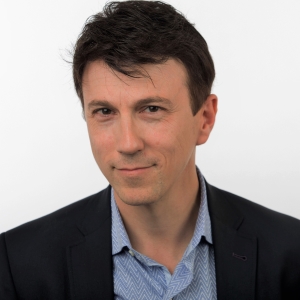
 Dr. Marty Makary
- Served as the 27th Commissioner of the U.S. Food and Drug Administration from March 2025 to May 2026
- Johns Hopkins surgeon, medical researcher and member of the National Academy of Medicine
- Bestselling author of Blind Spots, The Price We Pay and Unaccountable
What if one of the greatest advances in medicine isn’t a new machine or pharmaceutical breakthrough, but a fundamental change in how physicians evaluate evidence, prevent illness and make decisions? Dr. Marty Makary has spent his career challenging assumptions about healthcare and examining why medical systems sometimes fail the patients they are intended to serve. A surgeon, researcher, bestselling author and former FDA Commissioner, Makary brings an unusual combination of clinical experience, healthcare policy knowledge and national leadership to discussions about the future of medicine.
His book Blind Spots: When Medicine Gets It Wrong, and What It Means for Our Health explores how established medical beliefs can persist despite emerging evidence. It examines subjects including nutrition, the microbiome and other areas in which scientific understanding continues to evolve. In The Price We Pay, Makary investigates the financial structures and practices contributing to America’s healthcare costs, while Unaccountable examines hospital transparency, patient safety and medical accountability.
His experience at Johns Hopkins includes pioneering surgical research, work on patient safety and contributions to improving the quality of medical care. His subsequent service as FDA Commissioner added firsthand experience with the complex relationship between scientific innovation, regulation and public health policy.
For healthcare leaders, Makary’s central contribution is a reminder that the future of medicine must be measured not only by the sophistication of its technologies, but also by whether patients receive better, safer and more appropriate care. His perspective encourages audiences to question outdated assumptions, evaluate evidence carefully and consider how prevention, transparency and innovation can work together to improve healthcare.
Best for: Medical conferences, healthcare executive summits, hospital leadership events, pharmaceutical meetings and organizations examining the future of patient-centered medicine.
With his rare combination of clinical expertise, healthcare reform experience and national policy leadership, Dr. Marty Makary offers a provocative and informed perspective on how medicine can become more innovative, transparent and responsive to patients.
Dr. Daniel Kraft — Digital Health, Regenerative Medicine and Emerging Medical Technology
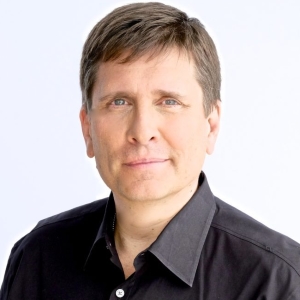
 Dr. Daniel Kraft
- Stanford- and Harvard-trained physician-scientist, inventor and entrepreneur
- Founder of Exponential Medicine and longtime faculty leader at Singularity University
- Inventor of the FDA-cleared MarrowMiner device for minimally invasive bone marrow harvesting
Few speakers illustrate the convergence of medicine and technology as comprehensively as Dr. Daniel Kraft. A physician-scientist with extensive experience in clinical medicine, biomedical research and technological innovation, Kraft explores how multiple scientific advances are beginning to influence one another. Artificial intelligence is becoming more powerful. Genetic sequencing is providing increasingly detailed biological information. Wearable devices are making certain forms of health monitoring more convenient. Advances in robotics, regenerative medicine and cellular therapies are expanding the possibilities for medical treatment. Kraft examines what happens when these technologies develop together rather than independently.
Through his work with Exponential Medicine, he has helped bring physicians, researchers, entrepreneurs and technology innovators together to explore the future of healthcare. His own medical background includes training in internal medicine, pediatrics, hematology, oncology and bone marrow transplantation. His research has involved stem cell biology, regenerative medicine and technologies designed to improve medical procedures. That combination of clinical experience and technological expertise gives Kraft a distinctive ability to explain emerging innovations without losing sight of their practical medical applications. His keynote The Future of Health and Medicine: Where Can Technology Take Us? examines developments ranging from personalized genomics and digital health to artificial intelligence, robotics and regenerative therapies.
For audiences wondering what a hospital, physician’s office or patient experience might look like in the coming decade, Kraft provides an expansive yet clinically grounded vision.
Best for: Healthcare innovation conferences, medical technology summits, biotechnology organizations, pharmaceutical events and future of medicine programs.
By connecting emerging technologies with their potential clinical applications, Dr. Daniel Kraft helps healthcare audiences understand how the next generation of medical innovation could transform prevention, diagnosis and treatment.
Jamie Metzl — Genetic Engineering, Biotechnology and the Future of Human Health
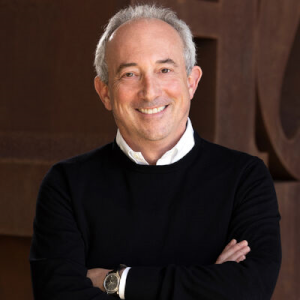
 Jamie Metzl
- Author of Hacking Darwin and Superconvergence
- Technology and healthcare futurist specializing in genetics, biotechnology and artificial intelligence
- Former member of the U.S. National Security Council staff and international policy adviser
The future of medicine may involve something even more consequential than developing better treatments: gaining a deeper ability to understand and influence the biological processes that determine human health. Jamie Metzl explores this rapidly developing frontier. An internationally recognized futurist, author and technology expert, Metzl examines the convergence of genetics, artificial intelligence, biotechnology and other scientific fields that could reshape medicine and society.
His book Hacking Darwin: Genetic Engineering and the Future of Humanity investigates the extraordinary possibilities and ethical questions emerging from advances in genetic technologies. In Superconvergence: How the Genetics, Biotech, and AI Revolutions Will Transform Our Lives, Work, and World, Metzl explores how breakthroughs in several disciplines may accelerate one another, potentially changing everything from medical research to the treatment of disease.
Unlike speakers who concentrate primarily on the next generation of hospital technology, Metzl asks audiences to consider the larger implications of scientific progress. What happens when researchers become increasingly capable of modifying biological systems? How might genetic information influence prevention and treatment? What ethical responsibilities arise when powerful technologies become available before society has fully considered their consequences?
His background in international affairs and public policy adds an important dimension to these discussions. Medical innovation does not occur in isolation; it is influenced by regulation, economics, geopolitics and public trust. Metzl challenges healthcare and business audiences to think beyond immediate technological applications and consider how today’s breakthroughs may reshape human life over generations.
Best for: Biotechnology conferences, life sciences summits, medical innovation events, university audiences and organizations exploring the long-term future of human health.
Through his interdisciplinary perspective on genetics, biotechnology and artificial intelligence, Jamie Metzl helps audiences understand both the transformative potential and profound responsibilities accompanying the next era of medical discovery.
Dr. Barry P. Chaiken — Artificial Intelligence, Patient Safety and the Future of Clinical Medicine
 Dr. Barry P. Chaiken
- Physician and healthcare technology expert with experience in clinical informatics
- Former Chair of the Healthcare Information and Management Systems Society (HIMSS)
- Author of Future Healthcare 2050
Artificial intelligence is rapidly becoming one of the most discussed technologies in healthcare. But integrating powerful algorithms into medical practice raises questions that go far beyond what software can accomplish. Who is responsible when an automated recommendation is incorrect? How should physicians evaluate information generated by AI systems? What safeguards are necessary when technology influences decisions affecting patient health? Dr. Barry P. Chaiken brings clinical, technological and organizational expertise to these questions. A physician and healthcare information technology leader, Chaiken has spent much of his career examining how digital systems can improve healthcare quality, efficiency and safety.
His book Future Healthcare 2050 offers a forward-looking examination of the ways artificial intelligence and other innovations could reshape medicine. Chaiken emphasizes that technology must support clinical judgment rather than simply replace existing processes with automated alternatives. He also addresses the importance of responsible oversight, including ongoing evaluation of algorithmic performance, reliability and potential bias. This perspective is especially valuable for healthcare organizations facing pressure to adopt new AI capabilities while protecting patient trust and maintaining rigorous standards of care. Rather than presenting artificial intelligence as an inevitable solution to every healthcare problem, Chaiken encourages leaders to examine where it can provide genuine clinical value and what organizational changes are necessary to implement it responsibly.
Best for: Healthcare AI conferences, hospital technology meetings, medical leadership events, patient safety programs and digital transformation summits.
With his combined expertise in medicine, healthcare information technology and clinical safety, Dr. Barry P. Chaiken helps organizations prepare for an AI-enabled future while keeping patient outcomes and professional accountability at the center of innovation.
John Nosta — Digital Health, Artificial Intelligence and the Future of Medical Innovation
 John Nosta
- Founder of NOSTALAB, an innovation-focused organization
- Recognized healthcare technology strategist and digital health thought leader
- Speaker and commentator on artificial intelligence, medical innovation and emerging technologies
Medical innovation is not simply about introducing new tools. It can fundamentally change how people understand health, how physicians approach treatment and how organizations make decisions. John Nosta explores the intersection of technology, medicine and human behavior. As the founder of NOSTALAB, Nosta has developed a reputation for examining emerging technologies and their implications for healthcare, business and society. His perspective is particularly relevant at a time when artificial intelligence is changing the way information is created, analyzed and interpreted.
For healthcare professionals, this creates both opportunities and challenges. New technologies may help clinicians process information, support research and identify patterns, but they also require careful evaluation and thoughtful implementation. Nosta’s presentations encourage audiences to look beyond individual innovations and consider the broader transformation occurring as digital systems become increasingly integrated into medical practice. He examines how technology influences the relationship between healthcare professionals and patients, the expectations placed on medical institutions and the ways organizations adapt to rapid change. His approach is especially valuable for leaders who understand that technological progress alone does not guarantee organizational progress. Successful innovation requires people to reconsider familiar assumptions, develop new capabilities and understand how emerging tools affect the decisions they make.
Best for: Digital health conferences, healthcare technology summits, pharmaceutical innovation meetings and organizations exploring artificial intelligence in medicine.
By connecting technological disruption with the human and organizational dimensions of healthcare, John Nosta helps audiences think more expansively about how digital innovation could reshape the future of medicine.
Dr. Jason Hwang — Disruptive Innovation and the Future of Healthcare Delivery
 Dr. Jason Hwang
- Physician, entrepreneur and healthcare innovation expert
- Coauthor of The Innovator’s Prescription: A Disruptive Solution for Health Care
- Has worked at the intersection of medicine, business strategy and disruptive innovation
The future of healthcare may depend as much on changing how care is delivered as on developing new treatments. Dr. Jason Hwang examines why some innovations transform entire industries while others struggle to produce meaningful improvements. A physician, entrepreneur and healthcare strategist, Hwang is best known for coauthoring The Innovator’s Prescription: A Disruptive Solution for Health Care with Clayton Christensen and Jerome Grossman. The book applies the theory of disruptive innovation to healthcare, examining how new technologies and business models can challenge established methods of delivering medical services.
Hwang’s work addresses a fundamental problem: healthcare systems often rely on organizational structures that are expensive, complicated and difficult to change. Even when promising technologies become available, they may be introduced into existing systems without reconsidering whether those systems are designed to use them effectively. Hwang encourages leaders to think differently about where care takes place, which professionals deliver it and how organizations can provide appropriate services more efficiently. His perspective is particularly important as healthcare increasingly extends beyond traditional hospital settings through outpatient services, remote monitoring, digital platforms and new approaches to coordinating care. Rather than predicting that technology will automatically solve healthcare’s challenges, Hwang explains why innovation must be accompanied by changes in business models, incentives and organizational design.
Best for: Hospital leadership conferences, healthcare strategy meetings, medical innovation summits, payer-provider events and organizations seeking more affordable care models.
Through his expertise in disruptive innovation and healthcare strategy, Dr. Jason Hwang helps leaders understand how new technologies and redesigned delivery systems could make healthcare more accessible, efficient and effective.
Jeff Goldsmith — Healthcare Forecasting, Hospital Strategy and the Future of Health Systems
 Jeff Goldsmith
- President of Health Futures, Inc.
- Former healthcare strategy adviser to Ernst & Young and Navigant Healthcare
- Award-winning healthcare futurist whose work has appeared in Harvard Business Review
What will a hospital look like 15 years from now? Will traditional medical practices continue to operate as they do today? How will technology, demographics and economics influence where patients receive care? These are the kinds of questions Jeff Goldsmith has spent his career examining. One of America’s established healthcare futurists, Goldsmith brings decades of experience analyzing the forces reshaping hospitals, health systems and medical practice. As President of Health Futures, Inc., he has advised healthcare organizations on long-term strategy, emerging trends and structural change. His professional background includes consulting and advisory roles with major healthcare organizations, as well as teaching and research related to health services management and policy.
Goldsmith’s presentations address the future of hospitals, the organization of medical practice, the influence of technology and the economic pressures affecting healthcare delivery. In programs such as 2040: A Healthcare Odyssey, he challenges audiences to consider how demographic change, digital innovation and new models of care may reshape the healthcare landscape. His perspective is especially valuable because technological breakthroughs do not automatically determine the future of an industry. Hospitals and healthcare systems must also respond to workforce challenges, financial pressures, shifting patient expectations and changing relationships among physicians, insurers and other organizations. Goldsmith helps leaders examine these interacting forces and prepare for multiple possible futures rather than relying on a single prediction.
Best for: Hospital association conferences, health system executive retreats, healthcare strategy summits and organizations preparing for long-term industry change.
With his extensive forecasting experience and understanding of healthcare economics, Jeff Goldsmith helps healthcare leaders anticipate emerging challenges and make more informed strategic decisions about the future of care.
Dr. David B. Nash — Population Health, Medical Quality and Healthcare Transformation
 Dr. David B. Nash
- Founding Dean of the Jefferson College of Population Health
- Author and editor of influential healthcare publications, including How Covid Crashed the System
- Nationally recognized expert in healthcare quality, population health and physician leadership
The future of medicine will not be measured solely by how many new treatments become available. It will also depend on whether healthcare systems can improve the health of entire populations while using resources responsibly. Dr. David B. Nash has been a leading voice in this conversation for decades. A physician, healthcare educator and policy expert, Nash is recognized for his work in population health, medical quality, public accountability and healthcare system improvement. As the founding dean of the Jefferson College of Population Health, he helped establish an academic approach focused on understanding health outcomes across communities and populations. His professional experience also includes healthcare governance, advisory work and research on improving the quality and safety of medical care.
Nash’s book How Covid Crashed the System: A Guide to Fixing American Health Care examines the weaknesses exposed by the pandemic and considers how healthcare organizations can become more effective and resilient. His broader work emphasizes the importance of measuring outcomes, reducing unnecessary variation in medical practice and developing systems that reward quality rather than simply the volume of services delivered. These issues become increasingly significant as digital health tools and new sources of medical information expand the possibilities for prevention and ongoing care. Nash encourages leaders to consider how technological innovation can support broader improvements in health, including better coordination, stronger accountability and more effective use of clinical resources.
Best for: Population health conferences, healthcare quality summits, medical association meetings, public health events and health system leadership programs.
By connecting healthcare innovation with quality, accountability and long-term health outcomes, Dr. David B. Nash helps organizations understand how the next generation of medicine can deliver greater value to patients and communities.
Dr. David Agus — Precision Medicine, Cancer Research and the Future of Disease Prevention
 Dr. David Agus
- Renowned cancer physician, medical researcher and technology innovator
- Bestselling author of The End of Illness, The Lucky Years and A Short Guide to a Long Life
- Recognized for contributions to personalized medicine and emerging healthcare technologies
What if the most important medical breakthroughs of the coming decades allow people to avoid certain diseases rather than simply survive them? Dr. David Agus has spent his career exploring the relationship between the human body, disease and the scientific advances that may make more personalized healthcare possible. A cancer physician, researcher, author and medical technology innovator, Agus approaches health as a complex system rather than a collection of isolated medical problems.
His bestselling book The End of Illness challenges conventional assumptions about health and examines how scientific knowledge can help people make more informed decisions about preventing disease. In The Lucky Years, he explores advances in medical research and technology that could allow physicians to develop increasingly individualized approaches to care. Agus emphasizes that patients are biologically different and that medical decisions should reflect those differences whenever reliable evidence and appropriate clinical tools make individualized care possible. His work connects cancer research, genetics, medical technology, prevention and the broader movement toward precision medicine.
For healthcare audiences, Agus offers a compelling perspective on how scientific discoveries could change the way diseases are understood, detected and treated. He also encourages people to think about health as something influenced by everyday decisions, environmental factors and the complex interactions occurring throughout the body. This combination of advanced medical research and practical health insights makes his presentations relevant to both specialized healthcare audiences and broader corporate groups.
Best for: Medical research conferences, biotechnology summits, healthcare innovation events, corporate wellness programs and organizations exploring precision medicine.
Combining cancer research, medical innovation and an accessible vision of preventive healthcare, Dr. David Agus helps audiences understand how scientific progress may create new opportunities for healthier, longer and more personalized lives.
Five Innovations Reshaping the Future of Medicine
The technologies influencing healthcare are developing across several scientific and organizational disciplines. Understanding how they connect provides a clearer picture of where medicine may be heading.
1. Artificial Intelligence and Predictive Medicine
Artificial intelligence is being developed and evaluated for applications involving medical imaging, clinical documentation, research, diagnostic support and the analysis of complex health information. As these systems improve, they may help healthcare professionals identify certain risks earlier and make better-informed decisions. However, clinical validation, patient privacy, reliability and professional oversight remain essential. Medical futurists such as Dr. Barry P. Chaiken, Dr. Daniel Kraft and John Nosta help organizations examine both the opportunities and responsibilities associated with medical AI.
2. Personalized Medicine and Genetic Research
Advances in genetics and molecular biology are improving researchers’ understanding of how individual differences can influence disease risk and treatment response. Precision medicine already plays an important role in certain areas of cancer care and other specialized treatments. Continued research may expand the number of conditions for which medical decisions can be more closely tailored to individual patients. Jamie Metzl and Dr. David Agus offer perspectives on the scientific, medical and ethical implications of these developments.
3. Regenerative Medicine and Emerging Therapies
Stem cell research, cellular therapies, gene therapies and other biological innovations are opening new possibilities for treating diseases and repairing damaged tissues. Some therapies have already entered clinical practice for specific conditions, while many others remain under investigation. Dr. Daniel Kraft brings direct research experience in regenerative medicine, while Jamie Metzl examines the broader implications of advances in biotechnology and genetic engineering.
4. Prevention, Early Detection and Continuous Health Monitoring
The traditional healthcare model often begins when someone becomes ill. New diagnostic technologies, wearable devices and improved methods of evaluating health information could support a greater emphasis on identifying risks and intervening earlier. The potential benefits are significant, but healthcare professionals must also consider false positives, unnecessary testing, data accuracy and the clinical value of continuous monitoring. Dr. Marty Makary, Dr. David Agus and Dr. David B. Nash provide complementary perspectives on prevention, evidence-based care and improving health outcomes.
5. The Transformation of Hospitals and Healthcare Delivery
Some of the most consequential changes in medicine may involve where care is delivered and how healthcare organizations operate. Remote monitoring, outpatient services, digital communication and new business models may allow certain services to be delivered more conveniently and efficiently. Yet healthcare systems must also address workforce shortages, financial pressures, coordination challenges and differences in access to care. Dr. Jason Hwang, Jeff Goldsmith and Dr. David B. Nash help healthcare leaders examine how organizational innovation can support better care delivery.
What Type of Medical Futurist Does Your Event Need?
Not every healthcare futurist approaches the future of medicine from the same perspective. The right keynote speaker depends on your audience, industry and conference objectives.
Medical Innovation and Healthcare Reform: For audiences exploring evidence-based medicine, patient safety, prevention and medical policy, Dr. Marty Makary offers a distinctive combination of clinical and national leadership experience.
Emerging Medical Technologies: For conferences focused on the next generation of diagnostics, digital health, robotics and regenerative medicine, Dr. Daniel Kraft provides an expansive overview of converging innovations.
Genetics and Biotechnology: For organizations examining gene editing, biotechnology, human longevity and scientific breakthroughs, Jamie Metzl offers a compelling long-range perspective.
Artificial Intelligence in Healthcare: For audiences concerned with medical AI, clinical safety and digital transformation, Dr. Barry P. Chaiken and John Nosta bring complementary clinical and technological viewpoints.
Disruptive Healthcare Innovation: For hospital executives and healthcare entrepreneurs seeking new models of care, Dr. Jason Hwang examines how disruptive innovation can reshape healthcare delivery.
Healthcare Forecasting and Hospital Strategy: For health systems preparing for economic, demographic and organizational change, Jeff Goldsmith offers decades of healthcare forecasting expertise.
Population Health and Healthcare Quality: For organizations focused on outcomes, accountability and healthcare system performance, Dr. David B. Nash connects innovation with practical improvements in care.
Precision Medicine and Disease Prevention: For medical and corporate audiences interested in personalized treatment, cancer research and preventive health, Dr. David Agus explores the relationship between scientific discovery and individual well-being.
How to Choose the Right Medical Futurist for Your Healthcare Conference
Choosing a medical futurist keynote speaker requires more than finding someone who can describe impressive new technologies. The most effective presentations help audiences understand which developments are meaningful, how they may affect their organizations and what steps leaders can take to prepare. For a medical association, clinical credibility may be the highest priority. Physicians and researchers generally expect detailed knowledge of medical science, appropriate discussion of evidence and a realistic understanding of the challenges involved in translating discoveries into practice. Hospital executives may have different concerns. Their priorities often include financial sustainability, workforce challenges, patient safety, organizational strategy and the practical implementation of emerging technologies. Biotechnology and pharmaceutical audiences may be more interested in scientific breakthroughs, research trends, regulatory considerations and the future of treatment development. Corporate audiences, meanwhile, may benefit from broader presentations connecting medical innovation with longevity, workplace wellness, leadership and the future of human performance.
Presentation style should also influence the selection. Some medical futurists offer sweeping visions of technological change, while others focus on clinical evidence, organizational strategy or the ethical questions surrounding scientific progress. Meeting planners should consider whether the goal is to inspire an audience, explain a complex development, challenge existing assumptions or provide practical guidance for navigating industry change. A well-matched medical futurist can accomplish several of these objectives while tailoring the presentation to the audience’s professional experience and event theme.
Frequently Asked Questions About Medical Futurists
Who Are the Best Medical Futurist Keynote Speakers?
Our selections for the best medical futurists this year include Dr. Marty Makary, Dr. Daniel Kraft, Jamie Metzl, Dr. Barry P. Chaiken, John Nosta, Dr. Jason Hwang, Jeff Goldsmith, Dr. David B. Nash and Dr. David Agus. Their expertise spans emerging medical technologies, genetics, biotechnology, artificial intelligence, precision medicine and healthcare transformation.
What Is a Medical Futurist?
A medical futurist is an expert who examines how scientific discoveries, technological advances, demographic trends and organizational changes may influence the future of healthcare. Medical futurists help audiences understand emerging developments and consider how healthcare systems can prepare for them.
What Topics Do Medical Futurist Speakers Cover?
Common topics include artificial intelligence in medicine, digital health, personalized treatment, genetic engineering, biotechnology, regenerative medicine, disease prevention, healthcare innovation and the future of hospitals and medical practice.
How Is Artificial Intelligence Changing Medicine?
Artificial intelligence is being developed for applications such as medical imaging analysis, clinical documentation, research, diagnostic assistance and drug discovery. Its potential benefits depend on careful validation, appropriate clinical oversight, patient safety and responsible implementation.
What Is Precision Medicine?
Precision medicine uses information about a person’s genetics, biology, environment and other relevant characteristics to guide certain medical decisions. It is already used in selected areas of clinical practice, particularly some cancer treatments, and continues to develop through ongoing research.
What Is the Difference Between a Medical Futurist and a Healthcare Futurist?
The terms overlap considerably. Medical futurists often emphasize scientific discoveries, treatment innovations and the future of clinical medicine. Healthcare futurists may also focus on hospital strategy, economics, policy, workforce trends and changes in healthcare delivery.
Can Medical Futurists Speak at Corporate Events?
Yes. Medical futurists can be valuable for corporate leadership conferences, innovation summits, employee wellness events and executive programs. Their presentations can connect healthcare breakthroughs with broader subjects such as technology, longevity, organizational change and future planning.
How Much Does It Cost to Hire a Medical Futurist?
Speaking fees vary depending on the speaker’s professional background, demand, event location, presentation format and travel requirements. Speakers.com can provide current fee information and availability based on the details of your event.
How Far in Advance Should I Book a Medical Futurist?
Booking several months in advance generally offers greater scheduling flexibility, particularly for major medical conferences and events involving prominent physicians, researchers and technology experts. Shorter-notice engagements may also be possible depending on the speaker’s availability.
Book a Top Medical Futurist Through Speakers.com
The future of medicine promises remarkable possibilities, but understanding which innovations will matter most requires expertise, perspective and a willingness to challenge familiar assumptions. From artificial intelligence and regenerative medicine to healthcare reform, precision treatment and the transformation of hospitals, today’s medical futurists are helping organizations prepare for changes that could redefine patient care. The right keynote speaker can make these complex developments understandable, relevant and actionable for healthcare professionals, business leaders and conference audiences.
For more than 30 years, Speakers.com has helped corporations, medical associations, healthcare organizations, universities and government agencies book outstanding keynote speakers for events throughout the United States and around the world. Explore our Healthcare Futurist Speakers or contact Speakers.com to discuss speaking fees, availability and the right medical futurist for your next healthcare conference, innovation summit or leadership event.