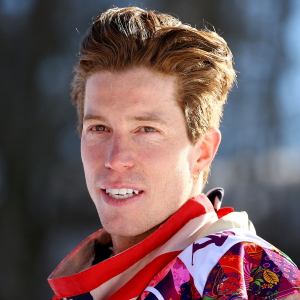

On October 8, 2026, The Snow League, the professional snowboarding and freeskiing competition founded by White, announced an expanded second-season roster featuring 60 athletes from 12 countries, including 15 Olympic medalists. With competitions planned in Colorado, Utah and Switzerland, the announcement represents another step in White’s effort to establish an international sports property. For the three-time Olympic champion, the ambition extends beyond producing exciting events. It is about creating something that can endure long after his own competitive career.
From Olympic Champion to Sports Entrepreneur
White’s athletic accomplishments established him as one of the most recognizable figures in winter sports. His three Olympic gold medals, record-setting performances and crossover success in snowboarding and skateboarding helped introduce action sports to audiences around the world. Along the way, he developed a commercial identity that extended well beyond competition, attracting major sponsors and establishing himself as a global sports personality. Yet the qualities that made him a successful athlete presented a different opportunity after his retirement from Olympic competition in 2022: applying his knowledge of the sport to the business of organizing it.
The Snow League reflects that transition. Rather than returning to competition as its featured attraction, White has taken on the responsibilities of a founder, working to develop a professional platform with recognizable athletes, consistent competition formats and opportunities for commercial growth. His experience gives him an unusually personal understanding of what competitors need, but operating a sports organization also requires expertise in investment, partnerships, media distribution and audience development. The move represents a fundamental shift in perspective. White is no longer focused exclusively on what he can accomplish as an individual athlete; he is attempting to create a larger stage on which other athletes can build their careers.

Building a Global Stage for the Next Generation
The Snow League’s October roster announcement offers a clearer picture of the scale White hopes to achieve. Its second season is scheduled to bring together 60 athletes, including 15 Olympic medalists who collectively hold 26 Olympic medals. The field includes prominent international competitors such as Eileen Gu, Yuto Totsuka and Gaon Choi, with snowboarders and freeskiers competing across the league’s three scheduled events. Aspen Snowmass will host the opening competition January 7–9, 2027, followed by Park City Mountain January 21–23 and LAAX, Switzerland, March 11–13.
For White, the significance of that expansion goes beyond the number of participants. Professional snowboarding has traditionally relied on a collection of established competitions, each with its own identity and audience. The Snow League is attempting to develop a more unified competition experience that viewers can follow across multiple events, with recognizable athletes competing for season-long results. By bringing snowboarding and freeskiing together and establishing a recurring international calendar, the organization is working to make the sports more accessible to audiences while giving competitors another platform for visibility.
Building that kind of organization requires more than attracting accomplished athletes. It means developing an experience that sponsors, broadcasters, event partners and spectators will want to support over time. The expanded roster and international schedule demonstrate the league’s ambitions, although its long-term commercial success remains to be established. What makes the venture particularly compelling is the change in White’s role. Having spent decades pursuing opportunities to distinguish himself in competition, he is now trying to create opportunities for an entirely new generation.

The Business of Reinvention
White’s transition into entrepreneurship illustrates an important distinction between possessing a powerful personal brand and building a sustainable business around it. His name brings recognition to The Snow League, but recognition alone cannot establish a successful sports property. The organization must attract investment, develop commercial partnerships, secure distribution and convince audiences to return season after season. Those responsibilities demand a different kind of discipline from the preparation required for an Olympic halfpipe run, even if the willingness to take risks and pursue ambitious goals remains familiar.
The league has already attracted significant investor interest. A $15 million funding round announced in January 2025 was followed by another reported $15 million investment later that year. Its commercial development has also included a media relationship with NBC Sports and partnerships designed to connect the competition with broader audiences. NBC reported that the league’s inaugural season reached more than 8.1 million viewers across five U.S. broadcasts, providing an early measure of audience interest. Those figures suggest momentum, but they are not a substitute for long-term financial performance. The larger challenge will be converting that attention into a durable business.
White’s approach to entrepreneurship also reflects lessons from decades of managing his own public identity. In an October 9, 2026, interview with Graham Bensinger, he discussed turning down lucrative sponsorship opportunities and making deliberate decisions about the brands with which he associated himself. Those choices reveal an understanding that immediate financial rewards do not always align with long-term objectives. It is a principle that now carries greater significance as he moves from representing established companies to developing a sports brand of his own.
That evolution is also bringing White into business discussions outside winter sports. On November 19, he is scheduled to participate in the Formula 1 Business Summit in Las Vegas, where the program will examine how accomplished athletes translate competitive experience into entrepreneurship, investment and business leadership. His participation underscores the broader relevance of his transition. White’s next chapter is not simply about remaining involved in snowboarding; it is about learning how to build an organization capable of creating value beyond his individual achievements.
In the following Sports Business Journal interview, White discusses the thinking behind The Snow League, the opportunities he sees for professional snowboarding and the challenges of developing a new sports venture.

What Shaun White’s Second Act Teaches Business Leaders
There is a fundamental difference between reaching the top of a profession and deciding what to pursue after getting there. White had already achieved the defining accomplishments of his competitive career before launching The Snow League. He could have continued building his personal brand through endorsements and appearances without accepting the uncertainties of a new business venture. Instead, he chose a project that requires him to become a beginner again in important ways, developing skills and relationships that extend beyond his expertise as an athlete. For executives and entrepreneurs, that willingness to enter unfamiliar territory offers a meaningful example of reinvention.
His experience also illustrates how specialized knowledge can become the foundation of a broader business opportunity. White understands professional snowboarding not merely as a spectator or investor, but as someone who spent years navigating its competitive demands, commercial opportunities and limitations. That perspective helps inform the league’s ambitions, although it does not eliminate the difficulties of running the business. In corporate leadership, the same principle applies when experienced professionals use their knowledge of an industry to identify opportunities for improvement while recognizing that successful execution requires new capabilities.
Perhaps the most interesting dimension of White’s second act is its changing definition of achievement. Olympic competition rewarded his individual performance, while the success of The Snow League will depend on the contributions of athletes, employees, investors, partners and audiences. The challenge is no longer simply to outperform competitors but to create an organization in which others can succeed. That shift—from personal excellence to building something larger than oneself—is a leadership transition familiar to entrepreneurs, founders and executives who must learn to measure their impact through the organizations they develop.
Shaun White’s Message Beyond the Halfpipe
White’s journey from Olympic champion to sports entrepreneur gives his story relevance well beyond athletics. His experience connects the discipline of peak performance with the challenges of brand development, strategic decision-making, calculated risk and professional reinvention. For corporate audiences, these are not abstract motivational themes. They are issues that emerge whenever organizations pursue new opportunities, leaders confront unfamiliar responsibilities or established professionals must redefine what success means.
As a keynote speaker, White brings the perspective of someone who has performed under extraordinary pressure, built an internationally recognized personal brand and taken on the challenge of launching a new business in an industry he knows intimately. His established speaking topics include growing a global brand, becoming a peak performer, achieving ambitious goals and overcoming adversity. Together, those experiences make his story particularly relevant to leadership conferences, sales meetings, entrepreneurship events and organizations navigating change.
For meeting planners seeking a speaker whose achievements extend from Olympic competition into entrepreneurship, Shaun White offers a compelling perspective on performance, reinvention and the pursuit of a lasting legacy. Contact Speakers.com to learn more about his keynote speaking programs, fees and availability.